
 Esperanto
 Shqiptare
 Euskara
 Zulu
Zulu
 Latinus
 Cymraeg
 தமிழ்
தமிழ்
 Slovak
 Slovak
 Afrikaans
News Hotspot
Contact Info
Hotline: +86-18831168296
E-mail: Info@cnwiremachine.com
Add: Gaoqian West Street, Sijiazhuang Town, Luquan District, Shijiazhuang City, Hebei Province
Efficient and Precise: Understanding the Working Mechanism of OEM Straight Wire Drawing Machine
Release Time:
Mar 07,2025
Efficient and Precise: Understanding the Working Mechanism of OEM Straight Wire Drawing Machine Table of Contents 1. Introduction to OEM Straight Wire Drawing Machines 2. Historical Development of Wire Drawing Technology 3. The Working Principle of OEM Straight Wire Drawing Machines 4. Key Components of the Straight Wire Drawing Machine 5. The Wire Drawing Process Step-by-St
Efficient and Precise: Understanding the Working Mechanism of OEM Straight Wire Drawing Machine
Table of Contents
- 1. Introduction to OEM Straight Wire Drawing Machines
- 2. Historical Development of Wire Drawing Technology
- 3. The Working Principle of OEM Straight Wire Drawing Machines
- 4. Key Components of the Straight Wire Drawing Machine
- 5. The Wire Drawing Process Step-by-Step
- 6. Applications of Straight Wire Drawing Machines in Various Industries
- 7. Advantages of Using OEM Straight Wire Drawing Machines
- 8. Maintenance Tips for Optimal Performance
- 9. Frequently Asked Questions
- 10. Conclusion
1. Introduction to OEM Straight Wire Drawing Machines
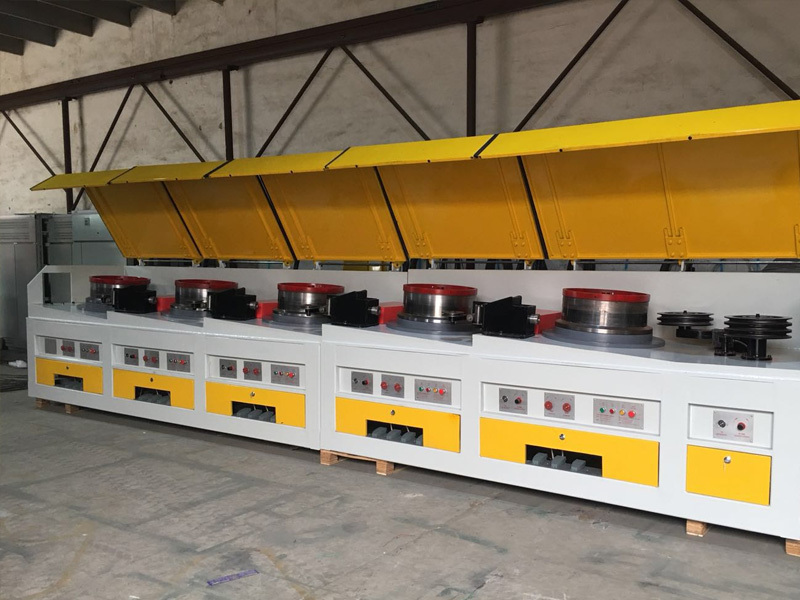
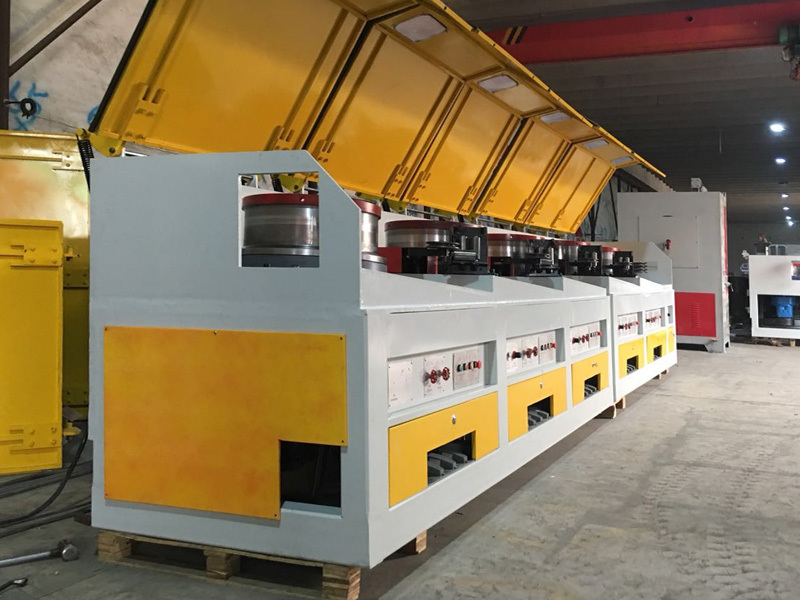
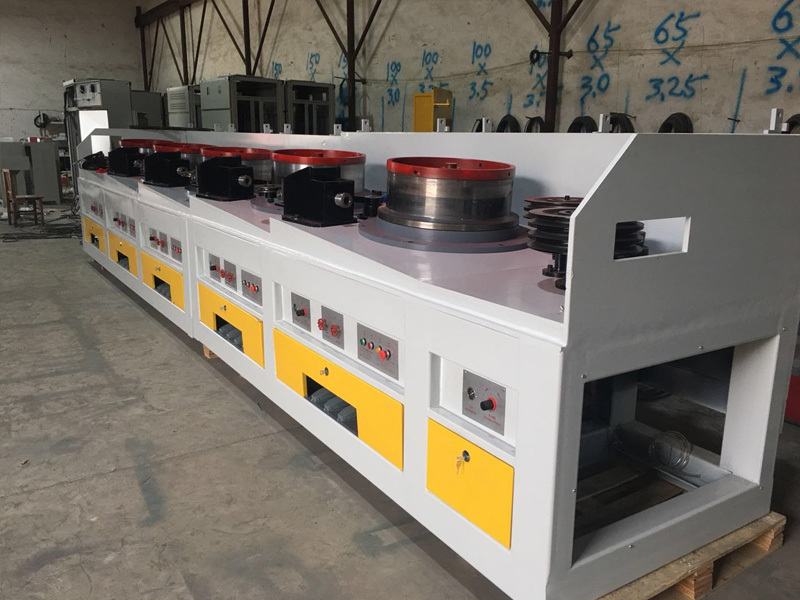
In the realm of metal processing, the **OEM straight wire drawing machine** stands out as a cornerstone technology. These machines are engineered for the precise reduction of wire diameter through a controlled drawing process, ensuring high-quality output. They play a pivotal role in various industrial applications, providing manufacturers with efficient solutions for producing wire products ranging from electrical conductors to structural components. Understanding the working mechanism of these machines is crucial for anyone involved in metal fabrication or manufacturing.
2. Historical Development of Wire Drawing Technology
The **history of wire drawing technology** dates back several centuries, evolving from basic hand-operated tools to the advanced automated machines we see today. Initially, wire was drawn through simple dies, but as the demand for precision and efficiency grew, so did the complexity of the machines. The introduction of **mechanical and hydraulic systems** revolutionized wire drawing, enabling manufacturers to produce finer wires with greater consistency and reduced labor costs. This evolution laid the foundation for the modern OEM straight wire drawing machines we rely on today.
3. The Working Principle of OEM Straight Wire Drawing Machines
At the heart of every OEM straight wire drawing machine lies a simple yet effective principle: **reducing the cross-sectional area of the wire** by pulling it through a series of dies. The process begins with a spool of wire, which is fed into the machine. As the wire is drawn through the die, its diameter decreases while its length increases. This process not only shapes the wire but also enhances its mechanical properties through strain hardening.
The drawing process typically involves several stages, with multiple dies used to achieve the desired wire diameter gradually. By controlling the tension and speed at which the wire is drawn, manufacturers can optimize the output for various applications.
4. Key Components of the Straight Wire Drawing Machine
Understanding the various components of an OEM straight wire drawing machine is essential for grasping its operational mechanics. Key components include:
4.1 Drawing Dies
Drawing dies are crucial for determining the final wire diameter. Made from highly durable materials, these dies are designed to withstand significant stress and wear during the drawing process.
4.2 Wire Feed System
The wire feed system is responsible for pulling the wire through the dies. This system may include rollers and motors that ensure a consistent feed rate, which is critical for maintaining product quality.
4.3 Tension Control System
Maintaining appropriate tension is vital for achieving uniform wire diameter and preventing defects. Tension control systems utilize sensors and actuators to adjust the pulling force dynamically during operation.
4.4 Lubrication System
To reduce friction and wear on the wire and dies, a lubrication system is often employed. This system ensures smooth operation and prolongs the lifespan of the machine components.
5. The Wire Drawing Process Step-by-Step
The wire drawing process can be broken down into several key steps:
5.1 Wire Preparation
Before the drawing process begins, the wire is prepared by cleaning and cutting it to the appropriate length. This preparation ensures a smooth entry into the drawing machine.
5.2 Feeding the Wire
The prepared wire is fed into the drawing machine, where it is positioned correctly for the drawing dies.
5.3 Drawing the Wire
As the machine operates, the wire is drawn through the die, reducing its diameter while increasing its length. This step requires careful monitoring of tension and speed to achieve the desired specifications.
5.4 Quality Inspection
After drawing, the wire undergoes rigorous quality inspection to ensure it meets industry standards. This inspection may include measuring the diameter, checking for surface defects, and assessing mechanical properties.
5.5 Spooling the Finished Wire
Once the wire passes inspection, it is wound onto spools for storage and transportation. Proper spooling is essential to prevent tangles and ensure ease of handling.
6. Applications of Straight Wire Drawing Machines in Various Industries
OEM straight wire drawing machines find applications across numerous industries, including:
6.1 Electrical Manufacturing
In electrical manufacturing, these machines produce conductors for wiring, cables, and other electrical components, ensuring high conductivity and reliability.
6.2 Construction
In the construction sector, drawn wire is used for reinforcing concrete, manufacturing nails, and other structural components that require strength and durability.
6.3 Automotive Industry
The automotive industry relies on drawn wire for various applications, including springs, cables, and other components that require precise specifications and high performance.
6.4 Aerospace
In aerospace, wire drawing machines produce lightweight, high-strength wire used in critical applications, ensuring safety and performance in flight.
7. Advantages of Using OEM Straight Wire Drawing Machines
Investing in OEM straight wire drawing machines comes with numerous advantages, including:
7.1 Precision and Consistency
These machines offer unparalleled precision in wire diameter and mechanical properties, ensuring consistent product quality.
7.2 Increased Efficiency
With automated processes and optimized designs, OEM straight wire drawing machines significantly reduce production time and labor costs.
7.3 Versatility
The ability to produce various wire types and sizes makes these machines versatile tools for manufacturers in different industries.
7.4 Improved Material Properties
The drawing process enhances the mechanical properties of the wire, resulting in stronger and more durable products.
8. Maintenance Tips for Optimal Performance
To ensure the longevity and optimal performance of your OEM straight wire drawing machine, consider the following maintenance tips:
8.1 Regular Inspections
Conduct regular inspections of all components, including dies, motors, and tension systems, to identify wear and tear early.
8.2 Lubrication
Maintain the lubrication system to reduce friction and prevent overheating of components during operation.
8.3 Operator Training
Invest in training for operators to ensure they understand the machine's workings and can identify potential issues before they escalate.
9. Frequently Asked Questions
9.1 What materials can be processed using OEM straight wire drawing machines?
OEM straight wire drawing machines can process various materials, including copper, aluminum, and steel, depending on the machine's specifications.
9.2 How does the wire drawing process affect the mechanical properties of the wire?
The drawing process enhances the strength and tensile properties of the wire through strain hardening, making it suitable for demanding applications.
9.3 What is the typical production speed of a straight wire drawing machine?
Production speed varies based on machine design and wire specifications but can range from several meters per minute to over a hundred meters.
9.4 Are there any safety precautions to consider when operating these machines?
Yes, proper safety measures, including personal protective equipment (PPE) and training, are crucial to prevent accidents and injuries during operation.
9.5 How do I choose the right OEM straight wire drawing machine for my production needs?
Choosing the right machine requires assessing your specific needs, including desired wire diameter, material type, production volume, and available space.
10. Conclusion
The OEM straight wire drawing machine represents a significant advancement in metal processing technology, offering precision, efficiency, and versatility for various applications. By understanding its working mechanism, components, and advantages, manufacturers can harness its capabilities to enhance their production processes. With proper maintenance and operator training, these machines can deliver exceptional results, paving the way for innovation and excellence in the manufacturing industry.
Key words:


☎️Phone
* Please Enter Keywords
The company specializes in the development and manufacture of a complete set of welding wire production lines and a complete set of metal wire drawing machines 📮 info@cnwiremachine.com