
 Esperanto
 Shqiptare
 Euskara
 Zulu
Zulu
 Latinus
 Cymraeg
 தமிழ்
தமிழ்
 Slovak
 Slovak
 Afrikaans
News Hotspot
Contact Info
Hotline: +86-18831168296
E-mail: Info@cnwiremachine.com
Add: Gaoqian West Street, Sijiazhuang Town, Luquan District, Shijiazhuang City, Hebei Province
How to Optimize Your Production Line with Horizontal Type Wire Drawing Machines
Release Time:
Mar 24,2025
How to Optimize Your Production Line with Horizontal Type Wire Drawing Machines In the ever-evolving landscape of metal processing, the efficiency and productivity of your production line are paramount. One of the most effective tools at your disposal is the horizontal type wire drawing machine. These machines offer unique advantages that can significantly streamline your operations. In this artic
How to Optimize Your Production Line with Horizontal Type Wire Drawing Machines
In the ever-evolving landscape of metal processing, the efficiency and productivity of your production line are paramount. One of the most effective tools at your disposal is the horizontal type wire drawing machine. These machines offer unique advantages that can significantly streamline your operations. In this article, we will explore how to optimize your production line using these machines, covering essential techniques, best practices, and innovative solutions.
Table of Contents
- Introduction to Horizontal Wire Drawing Machines
- Benefits of Horizontal Type Wire Drawing Machines
- Key Components of Horizontal Wire Drawing Machines
- Optimizing Production Line Efficiency
- Maintenance and Care for Horizontal Wire Drawing Machines
- Automation in Horizontal Wire Drawing
- Case Studies and Success Stories
- Frequently Asked Questions
- Conclusion
Introduction to Horizontal Wire Drawing Machines
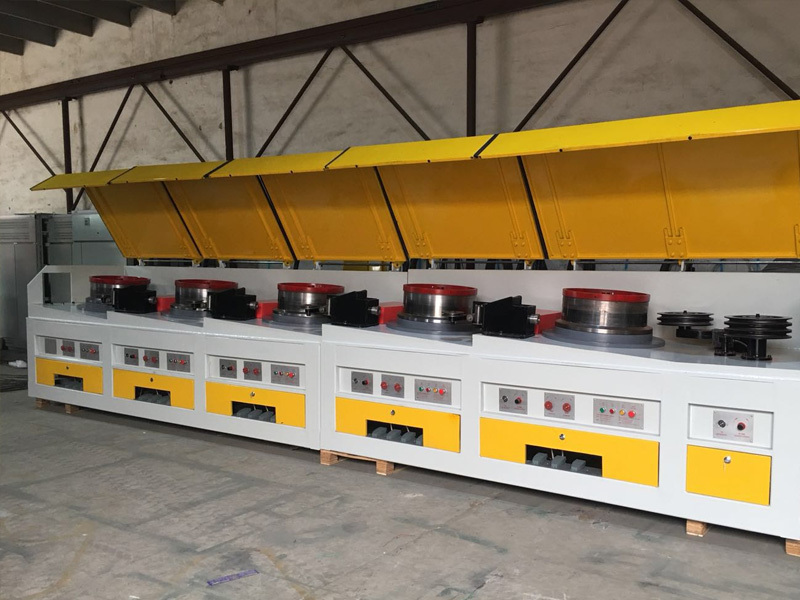
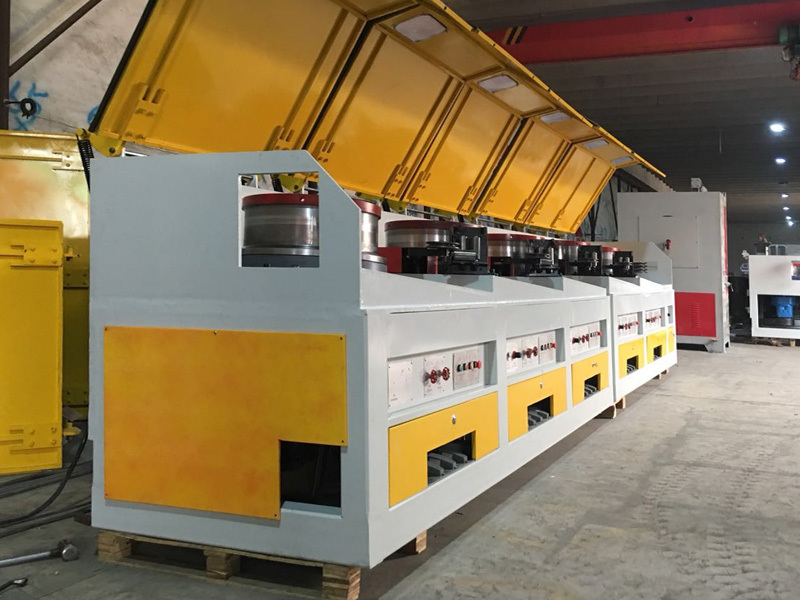
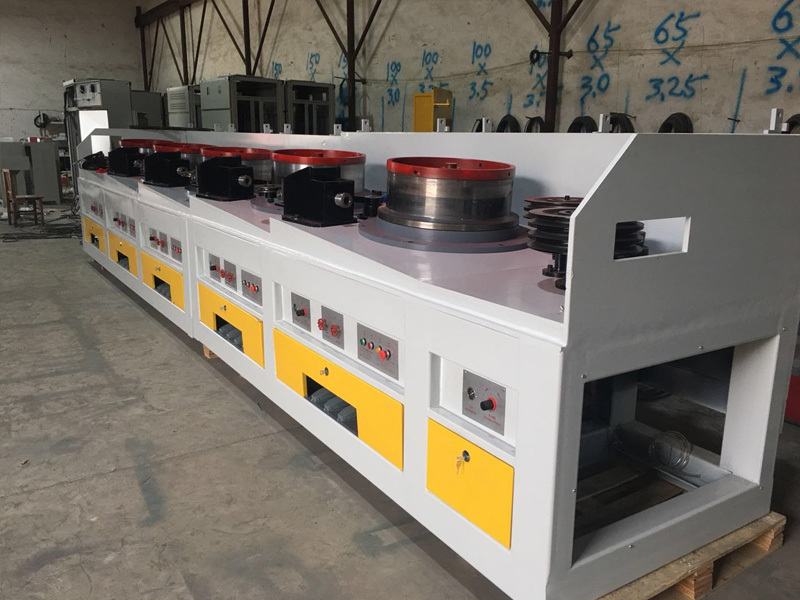
Horizontal type wire drawing machines are pivotal in the metal fabrication industry. These machines are designed to draw wire through a series of dies, reducing its diameter while increasing its length and enhancing its tensile strength. The horizontal configuration of these machines allows for more efficient material handling and better space utilization in your production environment.
Understanding the Wire Drawing Process
The wire drawing process involves several steps, including annealing, cleaning, and drawing through various dies. Each of these stages plays a critical role in achieving the desired properties of the final wire product. By utilizing horizontal type machines, operators can ensure a more consistent quality output while also minimizing downtime.
Benefits of Horizontal Type Wire Drawing Machines
Investing in horizontal type wire drawing machines can significantly enhance your production line. Here are some key benefits:
1. Increased Efficiency
Horizontal machines often allow for multiple draws in a single pass, reducing the time taken for each wire length and boosting overall productivity. This design can also facilitate faster tool changes.
2. Improved Product Quality
By maintaining consistent tension and speed during the drawing process, horizontal machines can produce wires with improved surface finish and dimensional accuracy, which are critical for high-quality end products.
3. Space-Saving Design
The compact design of horizontal type machines enables better utilization of floor space, allowing manufacturers to optimize their workshop layout and reduce operational costs related to space.
4. Flexibility and Versatility
These machines can accommodate a variety of materials and wire sizes, making them suitable for businesses that deal with diverse product lines. This flexibility allows manufacturers to adapt quickly to market demands.
Key Components of Horizontal Wire Drawing Machines
A thorough understanding of the key components of horizontal wire drawing machines is crucial for optimizing their performance. Below are the primary components:
1. Drawing Dies
Drawing dies are the primary tools used to reduce wire diameter. The selection of die material and geometry significantly affects the drawing process's efficiency and wire quality.
2. Capstan
The capstan is responsible for pulling the wire through the dies. Its design must provide the right grip and accommodate the required drawing tension to ensure smooth operation.
3. Lubrication System
Proper lubrication reduces friction and heat during the drawing process, which is essential for maintaining wire quality and extending the life of the dies.
4. Control System
Modern horizontal wire drawing machines are equipped with advanced control systems that allow operators to monitor and adjust parameters in real-time, ensuring optimal performance at all times.
Optimizing Production Line Efficiency
To maximize the benefits of horizontal type wire drawing machines, consider implementing the following optimization strategies:
1. Regular Maintenance Schedule
Establish a routine maintenance schedule to ensure all components of the drawing machine are functioning correctly. Regular checks will help identify wear and tear before they result in costly downtime.
2. Employee Training and Skill Development
Invest in training programs for your operators. Skilled personnel can enhance the efficiency of the production line by understanding machine capabilities and troubleshooting common issues.
3. Lean Manufacturing Principles
Adopting lean manufacturing principles can help minimize waste, reduce lead times, and improve overall production flow. Assess your processes and eliminate non-value-added activities.
4. Data-Driven Decision Making
Utilize data analytics to monitor production metrics continuously. By analyzing throughput, downtime, and defect rates, manufacturers can make informed decisions to enhance productivity and quality.
Maintenance and Care for Horizontal Wire Drawing Machines
Proper maintenance is crucial for keeping horizontal wire drawing machines in optimal condition. Below are some essential maintenance practices:
1. Daily Inspections
Conduct daily inspections to check for any visible signs of wear or damage. This practice allows for early detection of potential problems that could halt production.
2. Lubrication Practices
Ensure that all moving parts are adequately lubricated according to the manufacturer's guidelines. Proper lubrication helps maintain smooth operation and reduces wear on components.
3. Calibration and Alignment
Regularly calibrate and align the drawing dies and capstan to ensure accurate wire dimensions and prevent unnecessary strain on the machine.
Automation in Horizontal Wire Drawing
Embracing automation can significantly enhance the efficiency of wire drawing operations. Here are some automation strategies to consider:
1. Automated Material Handling
Implementing automated systems for material handling can streamline the wire feeding process, reduce labor costs, and minimize human error.
2. Real-Time Monitoring Systems
Integrate real-time monitoring systems that provide feedback on machine performance. These systems can alert operators to issues before they lead to production delays.
3. Robotics for Maintenance Tasks
Utilizing robotic systems for routine maintenance tasks can free up skilled labor for more complex duties while ensuring that maintenance is performed consistently.
Case Studies and Success Stories
Several companies have successfully optimized their production lines with horizontal type wire drawing machines. Here are a few notable examples:
1. Company A: Increasing Throughput
After integrating a state-of-the-art horizontal wire drawing machine into their production process, Company A saw a 30% increase in throughput within the first quarter, thanks to improved efficiency and reduced downtime.
2. Company B: Quality Enhancement
Company B implemented a rigorous maintenance schedule and employee training program, resulting in a 25% reduction in defects and significantly improving customer satisfaction ratings.
3. Company C: Cost Reduction
With the adoption of automation and lean principles, Company C reduced their operational costs by 20%, allowing for reinvestment into new technology and workforce development.
Frequently Asked Questions
1. What is the typical lifespan of a horizontal wire drawing machine?
The lifespan can vary based on usage and maintenance. However, with proper care, these machines can last over a decade.
2. How much training do operators need to operate a horizontal wire drawing machine?
Operators typically require several weeks of training to understand the machine's functions and maintenance requirements.
3. Can horizontal wire drawing machines handle various materials?
Yes, these machines can process different metals, including copper, aluminum, and steel, making them versatile for various applications.
4. What are the common issues faced with horizontal wire drawing machines?
Common issues include die wear, misalignment, and lubrication problems, all of which can be mitigated through regular maintenance.
5. How can I determine the right machine for my production needs?
Consider factors such as the type of material, desired wire dimensions, production volume, and available space when selecting a machine.
Conclusion
Optimizing your production line with horizontal type wire drawing machines can lead to significant improvements in efficiency, product quality, and cost-effectiveness. By understanding the key components, implementing best practices, and embracing automation, manufacturers can take full advantage of these machines. Ultimately, the right strategies and continuous improvement efforts will ensure your production line remains competitive in the ever-changing manufacturing landscape.
Key words:


☎️Phone
* Please Enter Keywords
The company specializes in the development and manufacture of a complete set of welding wire production lines and a complete set of metal wire drawing machines 📮 info@cnwiremachine.com