
 Esperanto
 Shqiptare
 Euskara
 Zulu
Zulu
 Latinus
 Cymraeg
 தமிழ்
தமிழ்
 Slovak
 Slovak
 Afrikaans
News Hotspot
Contact Info
Hotline: +86-18831168296
E-mail: Info@cnwiremachine.com
Add: Gaoqian West Street, Sijiazhuang Town, Luquan District, Shijiazhuang City, Hebei Province
Understanding Straight Wire Drawing Machines: A Comprehensive Guide
Release Time:
Mar 31,2025
Straight wire drawing machines are vital assets in the metal processing industry, primarily used for shaping and sizing wire through a series of dies. The basic principle of operation involves pulling a wire through a die with a smaller diameter than the wire itself, effectively reducing the wire's diameter while increasing its length. This process not only enhances the wire’s mechanical propertie
One of the primary advantages of straight wire drawing machines is their ability to produce high-quality wire with uniform dimensions and improved tensile strength. The machines can be specifically configured for different wire materials, including copper, aluminum, and steel, making them versatile tools in any manufacturing facility. The ability to customize the drawing process ensures that manufacturers can meet specific requirements for various projects, optimizing efficiency and minimizing waste.
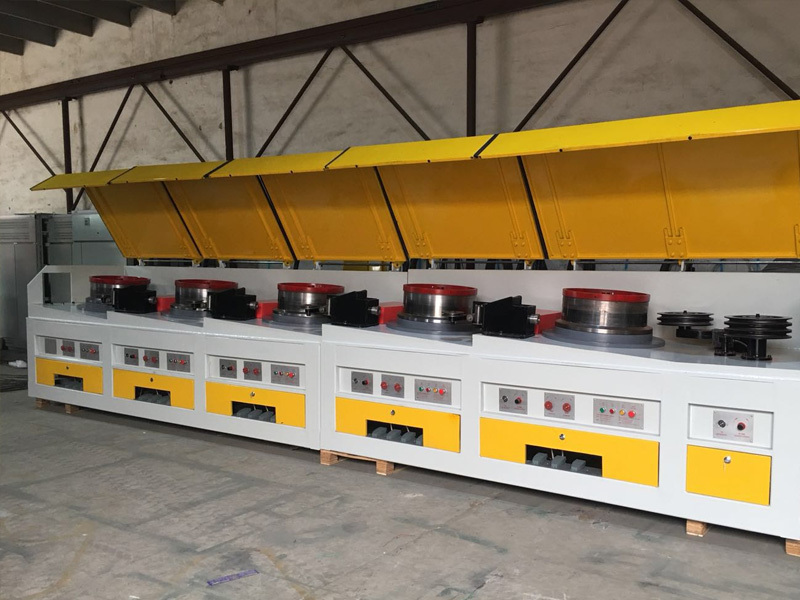
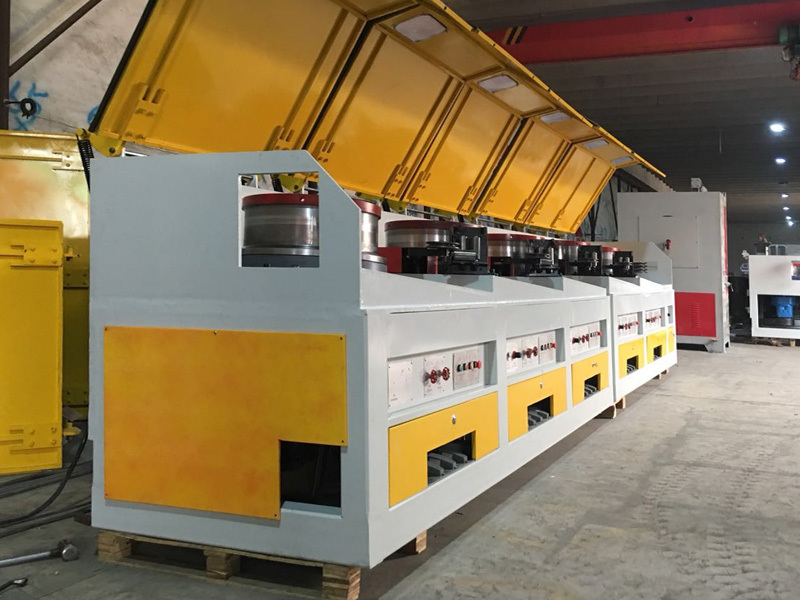
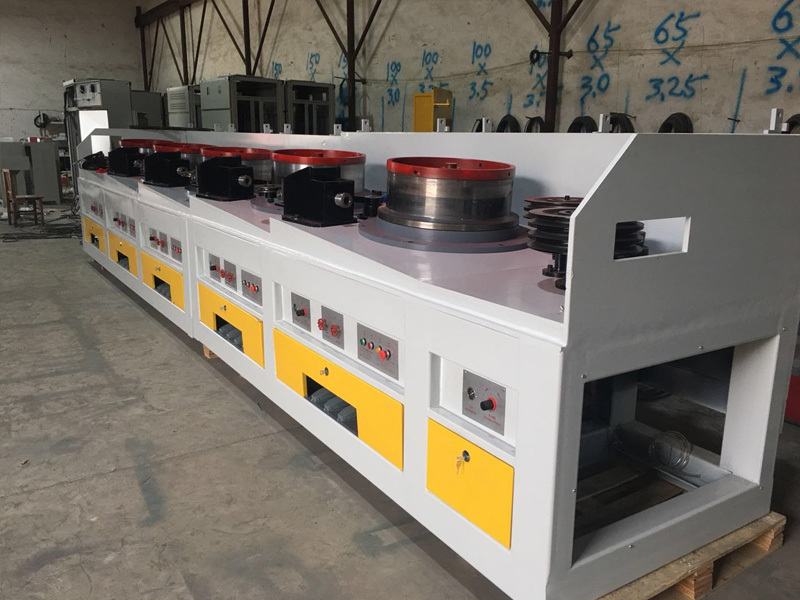
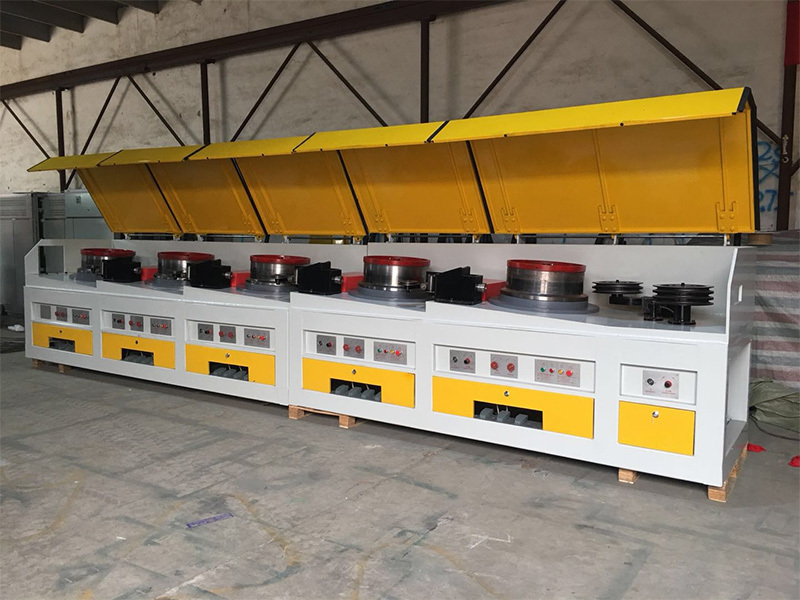
In terms of operation, straight wire drawing machines typically consist of several key components, including the wire feeding system, drawing unit, and the take-up spool. The wire feeding system ensures a continuous supply of wire to the drawing unit, which houses the dies. As the wire is drawn through the dies, it undergoes deformation, altering its physical properties. Once the desired diameter is achieved, the finished wire is wound onto a spool for storage or further processing.
Moreover, advanced models of straight wire drawing machines incorporate automation technologies that enhance productivity and reduce labor costs. Features such as digital monitoring systems, automatic lubrication, and real-time feedback mechanisms contribute to more efficient operations. These technological advancements not only streamline production but also ensure consistent quality control throughout the wire drawing process.
The applications of straight wire drawing machines extend beyond simple wire production. They are essential in manufacturing wire products such as springs, cables, and reinforcement bars, which are critical in construction, automotive, and electrical industries. The versatility of these machines makes them indispensable in meeting the growing demand for high-performance wire products.
In conclusion, straight wire drawing machines play a crucial role in the manufacturing process of various wire products. Their ability to produce wires with precise dimensions and enhanced properties not only streamlines production lines but also meets the diverse needs of different industries. Understanding the functionalities and benefits of these machines helps professionals make informed decisions when selecting equipment for their manufacturing processes. As technology continues to evolve, the importance of maintaining up-to-date knowledge about straight wire drawing machines will only increase within the metal processing sector.
Key words:


☎️Phone
* Please Enter Keywords
The company specializes in the development and manufacture of a complete set of welding wire production lines and a complete set of metal wire drawing machines 📮 info@cnwiremachine.com