
 Esperanto
 Shqiptare
 Euskara
 Zulu
Zulu
 Latinus
 Cymraeg
 தமிழ்
தமிழ்
 Slovak
 Slovak
 Afrikaans
News Hotspot
Contact Info
Hotline: +86-18831168296
E-mail: Info@cnwiremachine.com
Add: Gaoqian West Street, Sijiazhuang Town, Luquan District, Shijiazhuang City, Hebei Province
Choosing the Right Pulley Drawing Machine: A Comprehensive Guide for Manufacturers
Release Time:
Apr 18,2025
Choosing the Right Pulley Drawing Machine: A Comprehensive Guide for Manufacturers In today’s fast-paced manufacturing world, selecting the right machinery can significantly impact productivity and overall operational efficiency. One of the pivotal machines that manufacturers often overlook is the **pulley drawing machine**. The right pulley drawing machine can enhance the quality of your products
Choosing the Right Pulley Drawing Machine: A Comprehensive Guide for Manufacturers
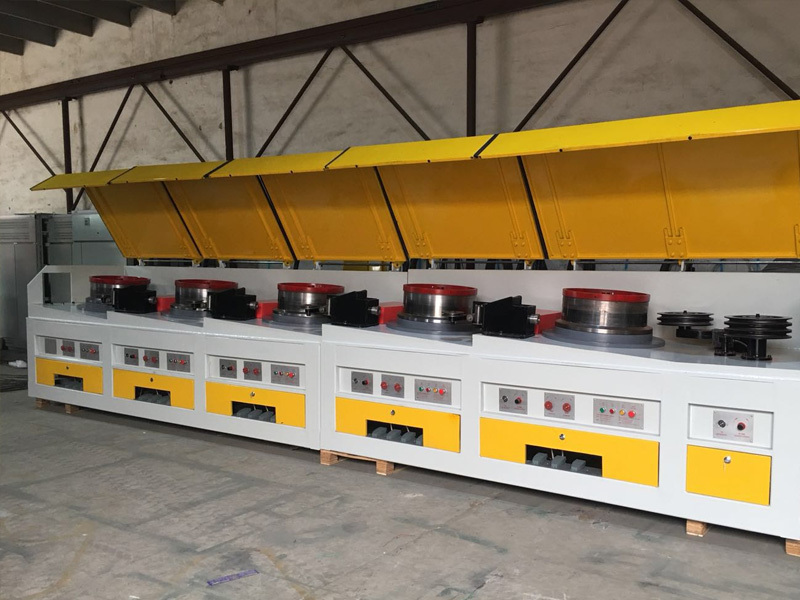
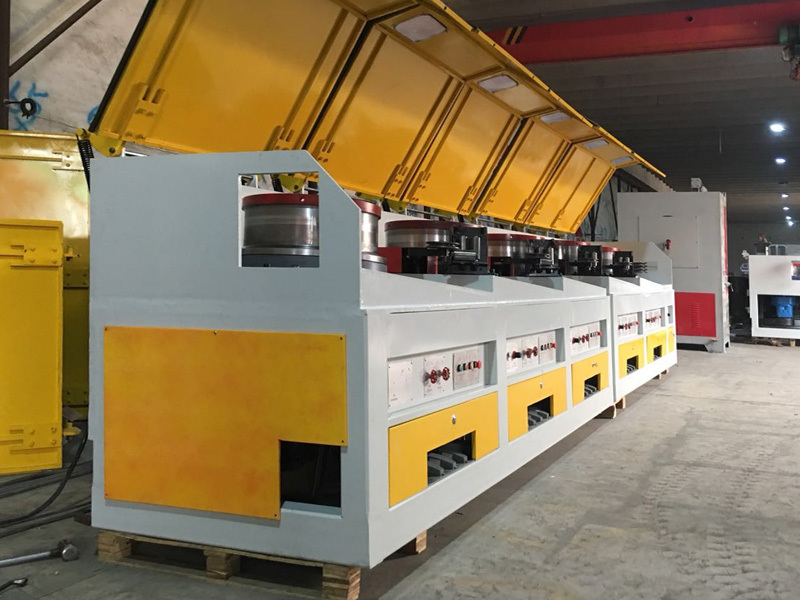
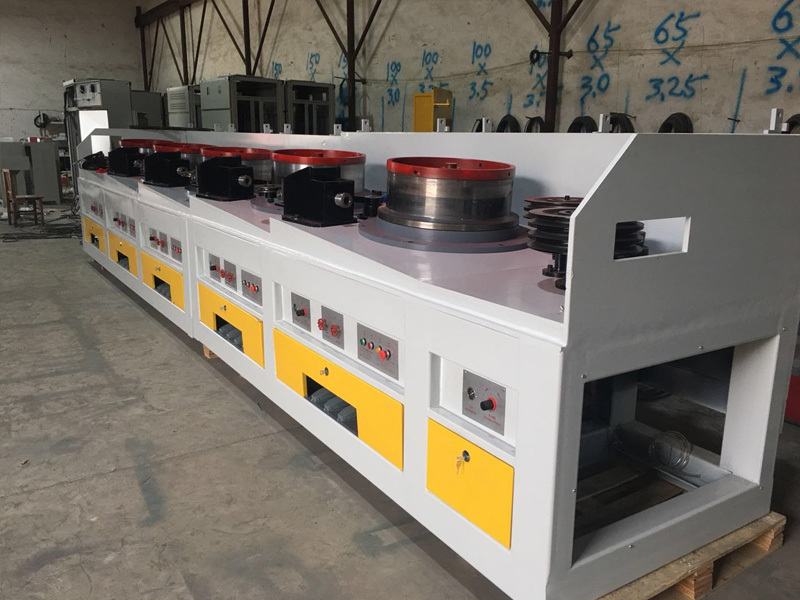
In today’s fast-paced manufacturing world, selecting the right machinery can significantly impact productivity and overall operational efficiency. One of the pivotal machines that manufacturers often overlook is the **pulley drawing machine**. The right pulley drawing machine can enhance the quality of your products while streamlining your manufacturing processes. In this guide, we delve into the essential considerations for selecting the perfect pulley drawing machine tailored to your manufacturing requirements.
Table of Contents
1. Introduction to Pulley Drawing Machines
2. Importance of Choosing the Right Machine
3. Types of Pulley Drawing Machines
3.1 Manual vs. Automatic Pulley Drawing Machines
3.2 Vertical vs. Horizontal Drawing Machines
4. Key Features to Look for in a Pulley Drawing Machine
4.1 Capacity and Size
4.2 Speed and Efficiency
4.3 Precision and Accuracy
5. Material Compatibility and Versatility
6. Maintenance and Durability
7. Budgeting for Your Pulley Drawing Machine
8. Frequently Asked Questions (FAQs)
9. Conclusion
1. Introduction to Pulley Drawing Machines
Pulley drawing machines are specialized equipment designed for shaping and manufacturing various pulley types. These machines utilize drawing techniques, allowing manufacturers to create pulleys with precision, ensuring they meet specific design requirements. Understanding the functionality and capabilities of these machines is crucial for manufacturers looking to optimize their production processes.
2. Importance of Choosing the Right Machine
The significance of selecting the right pulley drawing machine cannot be overstated. A poorly chosen machine may lead to inefficiencies, increased operational costs, and compromised product quality. Conversely, investing in a suitable machine can enhance productivity, minimize waste, and improve overall profitability. Thus, making an informed choice is essential for long-term success.
3. Types of Pulley Drawing Machines
There are various types of pulley drawing machines available, each designed for specific manufacturing needs. Understanding the differences can help you make the best choice for your production line.
3.1 Manual vs. Automatic Pulley Drawing Machines
**Manual pulley drawing machines** require operators to control the drawing process, offering greater flexibility in small-scale production settings. They are generally less expensive but can be labor-intensive. On the other hand, **automatic pulley drawing machines** streamline the manufacturing process by automating various functions, which significantly boosts efficiency and reduces labor costs.
3.2 Vertical vs. Horizontal Drawing Machines
Vertical drawing machines are typically more compact and can optimize floor space in a manufacturing setting. They are suitable for products requiring less space. Conversely, horizontal drawing machines often provide greater power and versatility in handling larger components, making them ideal for heavy-duty applications. The choice between vertical and horizontal machines depends on the specific manufacturing needs and available workspace.
4. Key Features to Look for in a Pulley Drawing Machine
When selecting a pulley drawing machine, certain features play a crucial role in ensuring it meets your production requirements.
4.1 Capacity and Size
The capacity of the pulley drawing machine should align with your production volume. Consider the size of the pulleys you need to manufacture and ensure the machine can accommodate them efficiently. A machine that is too small may lead to production bottlenecks, while an oversized machine can lead to unnecessary expenses.
4.2 Speed and Efficiency
Speed is a critical factor in manufacturing. A pulley drawing machine that operates quickly may enhance throughput, allowing you to meet tight deadlines. Look for machines that offer adjustable speeds to accommodate different materials and designs, ensuring optimal efficiency during operation.
4.3 Precision and Accuracy
Precision is paramount in pulley manufacturing. The machine you choose should provide consistent accuracy to ensure that each pulley meets your specifications. Features such as digital controls and feedback systems can enhance precision, reducing the likelihood of defects in produced items.
5. Material Compatibility and Versatility
Different manufacturing applications may require various materials, including metals, plastics, and composites. Ensure that the pulley drawing machine you choose can accommodate the materials you work with. A versatile machine can also adapt to different pulley designs, making it a valuable asset for manufacturers who produce a range of products.
6. Maintenance and Durability
Investing in a durable pulley drawing machine can save you money in the long run. Machines that are robust and require minimal maintenance can reduce downtime, ensuring your production remains uninterrupted. It’s advisable to choose machines with accessible parts for easy maintenance and service.
7. Budgeting for Your Pulley Drawing Machine
Budgeting is an essential aspect of acquiring a pulley drawing machine. While it may be tempting to opt for the cheapest option, consider the long-term costs associated with maintenance, efficiency, and durability. An initial investment in a high-quality machine may yield better returns through enhanced productivity and reduced operational costs.
8. Frequently Asked Questions (FAQs)
8.1 What is the average lifespan of a pulley drawing machine?
The lifespan of a pulley drawing machine varies based on usage and maintenance but typically ranges from 10 to 20 years.
8.2 Can I customize a pulley drawing machine to fit my specific needs?
Yes, many manufacturers offer customization options to tailor machines to specific production requirements.
8.3 What types of materials can I use with a pulley drawing machine?
Pulley drawing machines can typically handle various materials, including metals, plastics, and composites, depending on the machine specifications.
8.4 How often should I perform maintenance on my pulley drawing machine?
Regular maintenance is recommended, typically every few months, or as specified by the manufacturer, to ensure optimal performance.
8.5 Are automatic pulley drawing machines worth the investment?
Yes, while the initial cost may be higher, automatic machines tend to offer increased efficiency and lower long-term operational costs.
9. Conclusion
Choosing the right pulley drawing machine is a pivotal decision for manufacturers aiming to enhance their production capabilities. By understanding the types of machines available, their essential features, and how they align with your specific needs, you can make an informed choice that sets your business up for success. Invest time in evaluating your options and selecting a machine that not only meets your current requirements but also adapts to your future manufacturing goals. With the right pulley drawing machine, your manufacturing process can become more efficient and profitable, driving your business forward in a competitive marketplace.
Key words:


☎️Phone
* Please Enter Keywords
The company specializes in the development and manufacture of a complete set of welding wire production lines and a complete set of metal wire drawing machines 📮 info@cnwiremachine.com