
 Esperanto
 Shqiptare
 Euskara
 Zulu
Zulu
 Latinus
 Cymraeg
 தமிழ்
தமிழ்
 Slovak
 Slovak
 Afrikaans
News Hotspot
Contact Info
Hotline: +86-18831168296
E-mail: Info@cnwiremachine.com
Add: Gaoqian West Street, Sijiazhuang Town, Luquan District, Shijiazhuang City, Hebei Province
The Cost-Efficiency of Using Horizontal Type Wire Drawing Machines: Maximizing Production and Profitability
Release Time:
Apr 21,2025
The Cost-Efficiency of Using Horizontal Type Wire Drawing Machines Table of Contents 1. Introduction to Horizontal Type Wire Drawing Machines 2. What is Wire Drawing? 3. Types of Wire Drawing Machines 4. Why Choose Horizontal Type Wire Drawing Machines? 5. Cost-Efficiency Analysis of Horizontal Type Machines 6. Operational Benefits of Horizontal Type Wire Drawing Machines 7. Mainten
The Cost-Efficiency of Using Horizontal Type Wire Drawing Machines
Table of Contents
- 1. Introduction to Horizontal Type Wire Drawing Machines
- 2. What is Wire Drawing?
- 3. Types of Wire Drawing Machines
- 4. Why Choose Horizontal Type Wire Drawing Machines?
- 5. Cost-Efficiency Analysis of Horizontal Type Machines
- 6. Operational Benefits of Horizontal Type Wire Drawing Machines
- 7. Maintenance and Durability Considerations
- 8. Case Studies: Real-World Applications
- 9. Conclusion
- 10. Frequently Asked Questions (FAQs)
1. Introduction to Horizontal Type Wire Drawing Machines
Horizontal type wire drawing machines have become an essential piece of equipment in the manufacturing sector, particularly within the metal processing industry. These machines play a vital role in converting raw metal into fine wire, which is utilized in a myriad of applications, from construction to electronics. Understanding the cost-efficiency of these machines reveals the potential for enhanced production and improved profitability.
2. What is Wire Drawing?
Wire drawing is a metalworking process that involves reducing the diameter of a wire by pulling it through a series of dies. This process enhances the properties of the wire, including strength and flexibility, making it suitable for various applications. The process can be performed using different types of machines, each suited for specific requirements and production scales.
3. Types of Wire Drawing Machines
There are several types of wire drawing machines, each designed for particular applications and manufacturing environments. The main categories include:
3.1. Vertical Wire Drawing Machines
Vertical machines are often used for smaller production runs and specialized wire types. However, they may not be as efficient in large-scale operations.
3.2. Horizontal Wire Drawing Machines
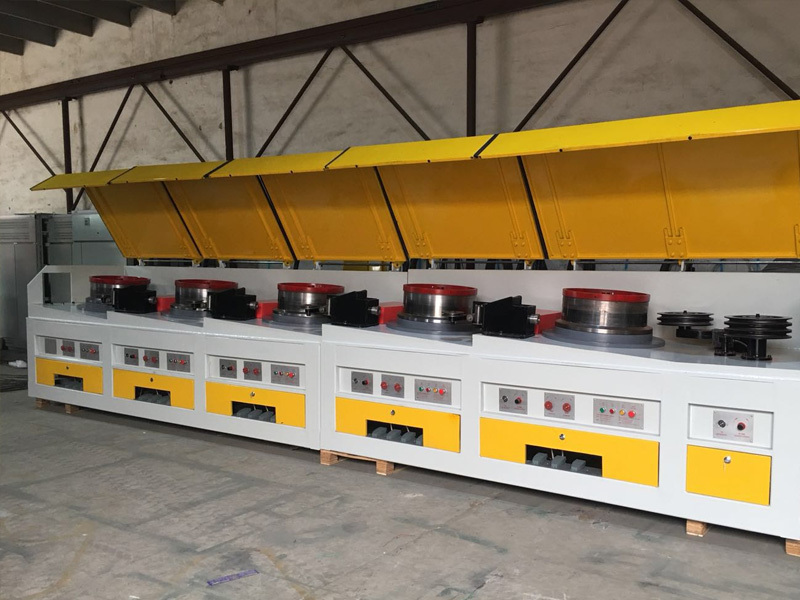
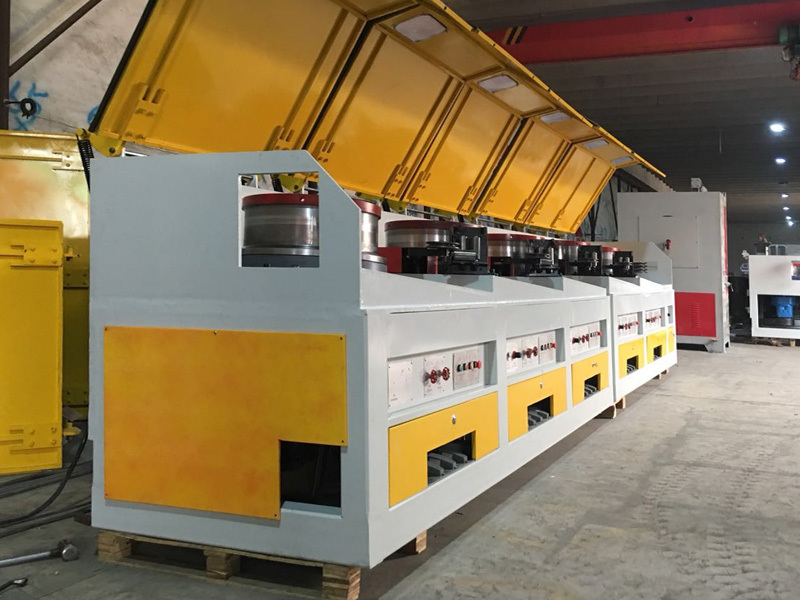
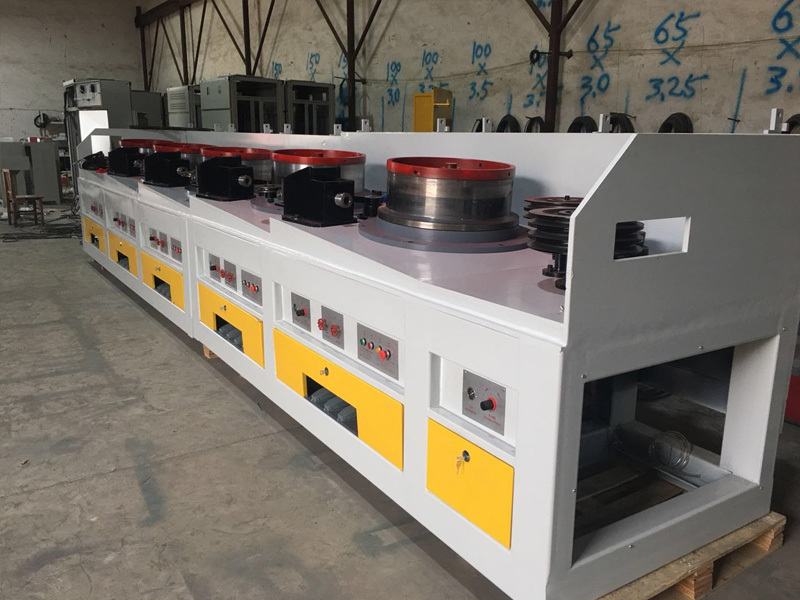
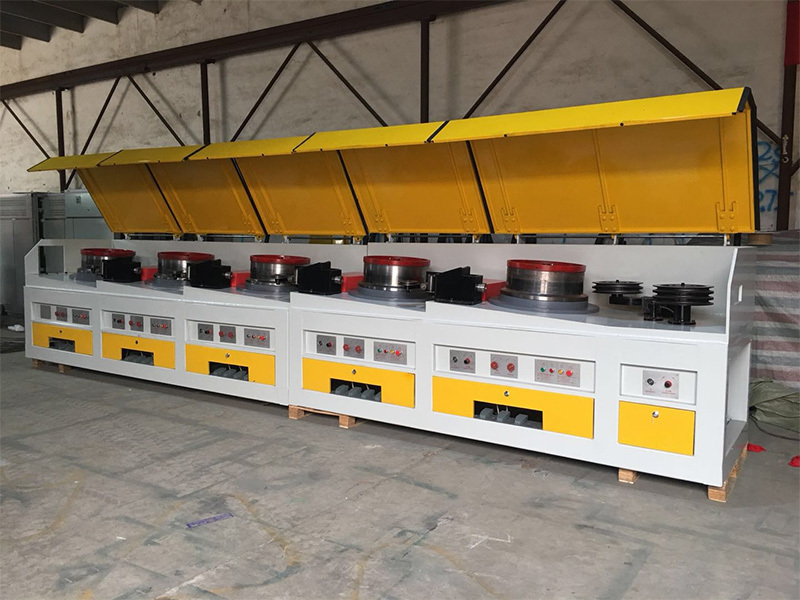
Horizontal type machines are designed for high-volume production. They provide greater efficiency and better control over the wire drawing process, making them suitable for various materials.
4. Why Choose Horizontal Type Wire Drawing Machines?
Choosing horizontal type wire drawing machines offers numerous benefits:
4.1. Enhanced Production Efficiency
These machines allow for higher drawing speeds and continuous operation, which directly translates to increased output.
4.2. Versatility in Operations
Horizontal machines can handle a wide range of materials, including copper, aluminum, and steel, making them adaptable to various production needs.
4.3. Improved Quality Control
The design of horizontal machines facilitates better monitoring of the drawing process, ensuring improved wire quality and consistency.
5. Cost-Efficiency Analysis of Horizontal Type Machines
When analyzing the cost-efficiency of horizontal type wire drawing machines, several key factors must be considered:
5.1. Initial Investment vs. Long-Term Savings
While the initial investment for horizontal machines may be higher than for vertical types, the long-term savings in operational costs, maintenance, and energy efficiency often outweigh these upfront expenses.
5.2. Labor Cost Reduction
Automated features in horizontal machines reduce the need for manual labor, thereby decreasing labor costs and minimizing human error.
5.3. Energy Efficiency
Horizontal machines typically consume less energy per unit of output, contributing to lower utility costs and a reduced carbon footprint.
6. Operational Benefits of Horizontal Type Wire Drawing Machines
In addition to cost-efficiency, horizontal type wire drawing machines offer various operational advantages:
6.1. Continuous Production Capability
These machines are designed for continuous operation, which helps in meeting large production demands without interruptions.
6.2. Increased Safety Features
Modern horizontal machines come equipped with advanced safety mechanisms that protect operators and reduce workplace accidents.
6.3. Easy Integration with Other Processes
Horizontal type machines can be easily integrated into existing production lines, enhancing overall workflow and efficiency.
7. Maintenance and Durability Considerations
Proper maintenance is crucial for the longevity of wire drawing machines. Horizontal type machines, known for their durability, require:
7.1. Regular Inspection
Regular checks on machine components help in identifying wear and tear early, preventing costly breakdowns.
7.2. Lubrication and Cleaning
Routine lubrication and cleaning ensure smooth operation and prevent accumulation of debris that could hinder performance.
7.3. Training for Operators
Training operators on proper usage and maintenance practices contributes to the machine’s lifespan and operational efficiency.
8. Case Studies: Real-World Applications
To illustrate the benefits of horizontal type wire drawing machines, consider the following case studies:
8.1. Case Study 1: A Large Copper Wire Manufacturer
This manufacturer invested in horizontal type machines and reported a 30% increase in production efficiency and a significant reduction in energy costs.
8.2. Case Study 2: An Automotive Supplier
By integrating horizontal drawing machines, the supplier reduced labor costs by 25% and improved the quality of wire used in manufacturing components.
9. Conclusion
In conclusion, the **cost-efficiency of using horizontal type wire drawing machines** is evident through their enhanced production capabilities, reduced operational costs, and improved quality control. As industries continue to demand higher efficiency and lower costs, investing in these machines can provide significant advantages that not only boost productivity but also contribute to long-term profitability. Manufacturers seeking to optimize their operations should consider the transition to horizontal type wire drawing machines as a strategic move towards achieving their business goals.
10. Frequently Asked Questions (FAQs)
10.1. What is the main advantage of horizontal type wire drawing machines?
The main advantage is their ability to operate efficiently at high speeds, resulting in increased production output and reduced operational costs.
10.2. How do maintenance costs compare between horizontal and vertical machines?
Horizontal machines often have lower maintenance costs due to their robust design and fewer moving parts, leading to less wear and tear.
10.3. Are horizontal type machines suitable for small production runs?
While they are designed for high-volume production, horizontal machines can be adapted for smaller runs with specific setups.
10.4. What types of materials can be processed with horizontal wire drawing machines?
These machines can handle a variety of materials, including copper, aluminum, steel, and specialized alloys.
10.5. How can I ensure the longevity of my wire drawing machine?
Regular maintenance, including inspections, lubrication, and operator training, is essential for prolonging the lifespan of your machine.
Key words:


☎️Phone
* Please Enter Keywords
The company specializes in the development and manufacture of a complete set of welding wire production lines and a complete set of metal wire drawing machines 📮 info@cnwiremachine.com