
 Esperanto
 Shqiptare
 Euskara
 Zulu
Zulu
 Latinus
 Cymraeg
 தமிழ்
தமிழ்
 Slovak
 Slovak
 Afrikaans
News Hotspot
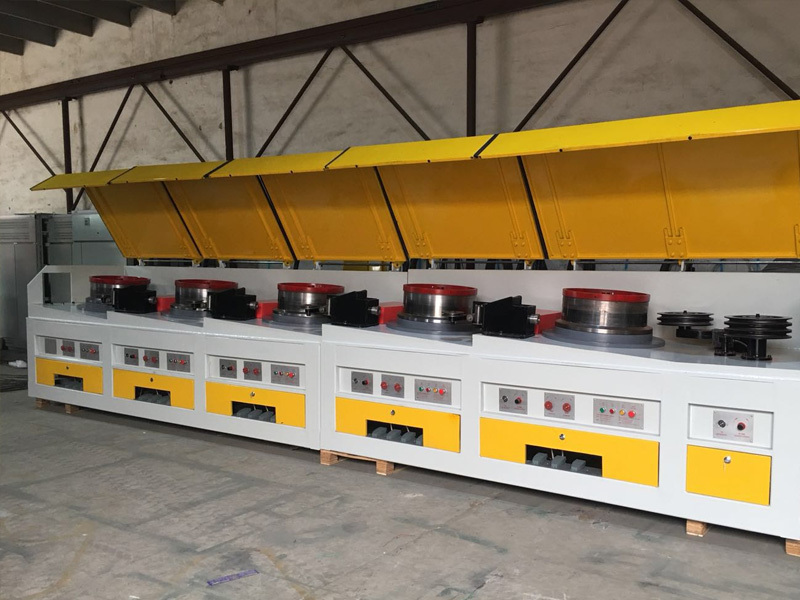
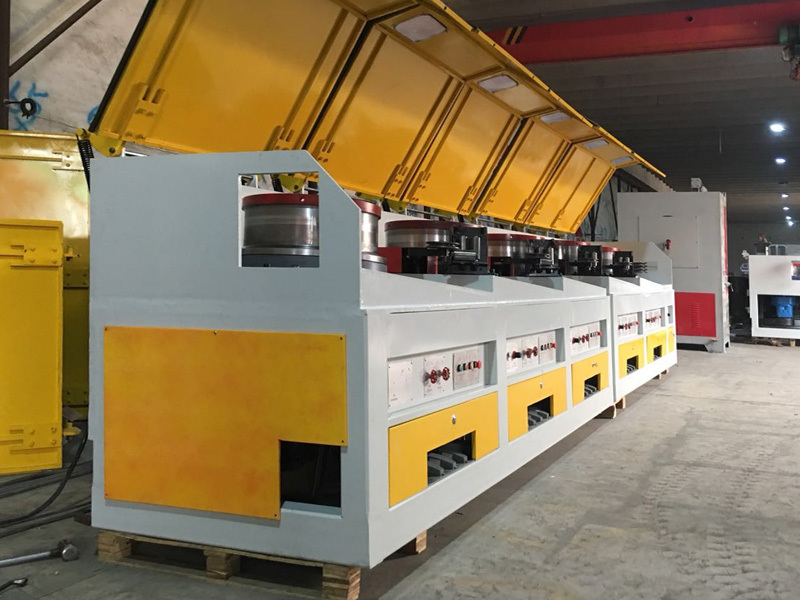
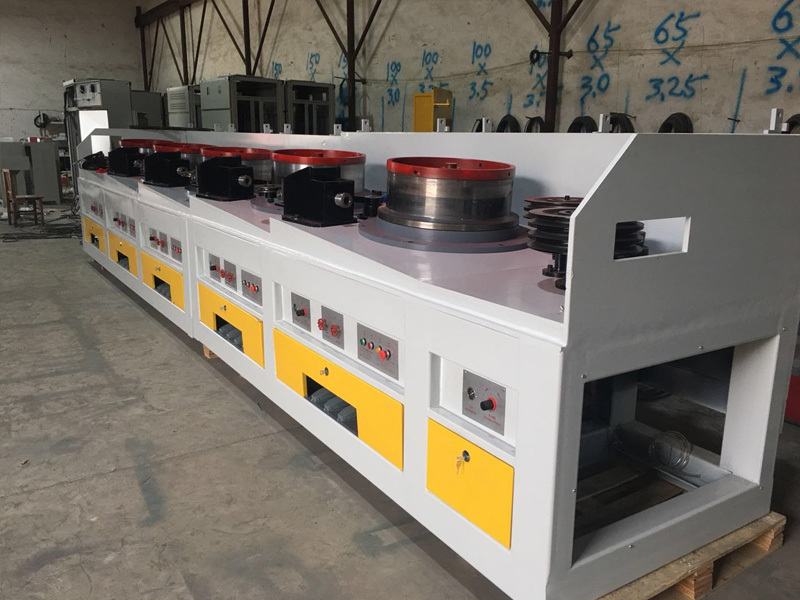
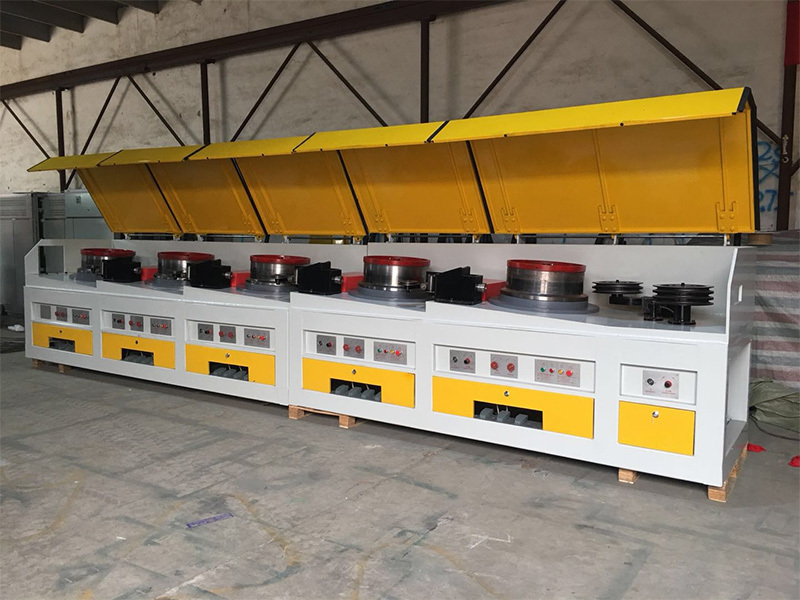
Contact Info
Hotline: +86-18831168296
E-mail: Info@cnwiremachine.com
Add: Gaoqian West Street, Sijiazhuang Town, Luquan District, Shijiazhuang City, Hebei Province
Why Choose Layer Winding Machines for Efficient Production: Enhancing Productivity and Quality
Release Time:
Oct 23,2023
In today's fast-paced manufacturing industry, efficiency is a key factor in achieving success. Companies strive to optimize their production processes to meet growing demands while maintaining high standards of quality. One way to achieve this is by utilizing layer winding machines.
1. Introduction: The Importance of Efficient Production
In today's fast-paced manufacturing industry, efficiency is a key factor in achieving success. Companies strive to optimize their production processes to meet growing demands while maintaining high standards of quality. One way to achieve this is by utilizing layer winding machines. This article explores the advantages of layer winding machines in enhancing production efficiency and the factors to consider when choosing the right machine for your operation.
2. What are Layer Winding Machines?
Layer winding machines are advanced equipment used in the production of various goods, such as cables, wires, hoses, and pipes. These machines are designed to wind multiple layers of material onto a spool or bobbin in a precise and controlled manner. By layering the material evenly and tightly, layer winding machines ensure uniformity, strength, and durability in the final product.
3. Benefits of Layer Winding Machines in Production
3.1 Increased Productivity
Layer winding machines significantly improve production efficiency by automating the winding process. They are capable of winding multiple layers of material at high speeds, reducing the time required for each production cycle. This increased productivity allows manufacturers to meet customer demands promptly and efficiently.
3.2 Enhanced Quality Control
Layer winding machines ensure consistent and precise layering, minimizing the risk of material defects or inconsistencies. By maintaining uniform tension and alignment, these machines contribute to the production of high-quality products with minimal variations. This level of quality control helps manufacturers build a reliable reputation and customer satisfaction.
3.3 Cost Savings and Waste Reduction
Efficient production processes lead to cost savings and waste reduction in several ways. Layer winding machines minimize material waste by precisely controlling the amount of material required for each layer. Additionally, the automated nature of these machines reduces the need for manual labor, leading to cost savings in the long run.
4. Factors to Consider When Choosing Layer Winding Machines
When selecting layer winding machines for your production needs, several key factors should be taken into account:
4.1 Machine Capacity and Speed
Consider the required capacity and speed of the machine based on your production volume and timeline. It is crucial to choose a layer winding machine that can meet your specific requirements without compromising quality.
4.2 Compatibility with Different Materials
Ensure that the layer winding machine is compatible with the materials you work with. Different materials may have specific handling requirements, and choosing a machine that can accommodate a wide range of materials will provide flexibility in your production process.
4.3 Customization and Versatility
Look for layer winding machines that offer customization options to cater to your unique production needs. A versatile machine can adapt to various product specifications, allowing you to explore new opportunities and expand your product range.
4.4 Ease of Use and Maintenance
Consider the ease of operating and maintaining the layer winding machine. User-friendly interfaces and straightforward maintenance procedures contribute to efficient operation and minimize downtime.
5. Frequently Asked Questions (FAQs)
5.1 How do layer winding machines work?
Layer winding machines work by feeding the material onto a spool or bobbin in a controlled manner. The machine winds multiple layers of material evenly and precisely, ensuring uniformity and strength in the final product.
5.2 Can layer winding machines be used in various industries?
Yes, layer winding machines are widely used in various industries that require the production of layered products, such as cables, wires, hoses, and pipes.
5.3 Are layer winding machines suitable for small-scale production?
Yes, layer winding machines can be adjusted to accommodate small-scale production needs. They offer flexibility and scalability, making them suitable for both small and large-scale operations.
5.4 What are the maintenance requirements for layer winding machines?
Maintenance requirements may vary depending on the specific machine model. However, regular cleaning, lubrication, and inspection of key components are common maintenance practices to ensure optimal performance and longevity.
5.5 Can layer winding machines be automated?
Yes, layer winding machines can be automated to streamline the production process further. Automation reduces manual labor and increases efficiency, allowing for higher production volumes.
6. Conclusion: Unlocking Efficiency with Layer Winding Machines
Layer winding machines play a crucial role in enhancing production efficiency and product quality. By automating the winding process, these machines increase productivity, improve quality control, and reduce costs. When choosing a layer winding machine, consider factors such as capacity, compatibility, customization options, and ease of use. By investing in the right layer winding machine, manufacturers can unlock efficiency and gain a competitive edge in today's demanding market.
Key words:


☎️Phone
* Please Enter Keywords
The company specializes in the development and manufacture of a complete set of welding wire production lines and a complete set of metal wire drawing machines 📮 info@cnwiremachine.com