
 Esperanto
 Shqiptare
 Euskara
 Zulu
Zulu
 Latinus
 Cymraeg
 தமிழ்
தமிழ்
 Slovak
 Slovak
 Afrikaans
News Hotspot
Contact Info
Hotline: +86-18831168296
E-mail: Info@cnwiremachine.com
Add: Gaoqian West Street, Sijiazhuang Town, Luquan District, Shijiazhuang City, Hebei Province
Introduction to Layer Winding Machines in the Manufacturing and Processing Machinery Industry
Release Time:
Oct 09,2023
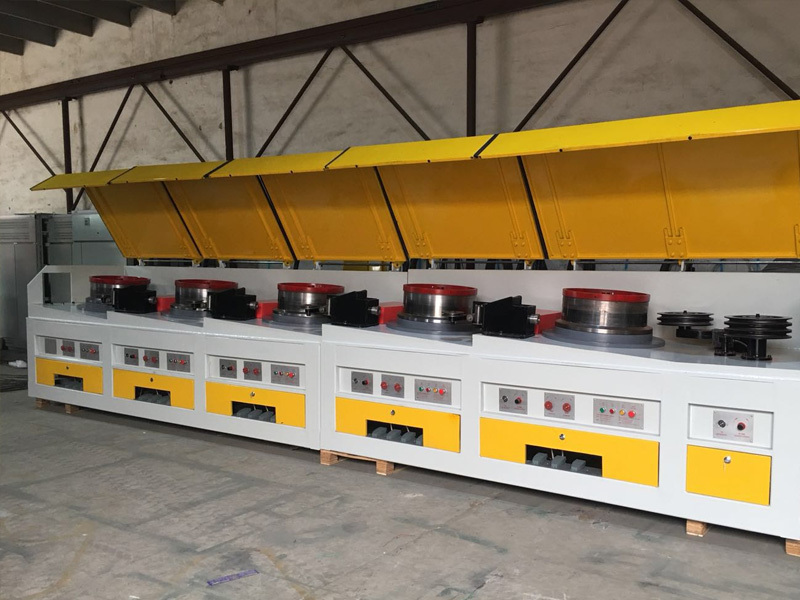
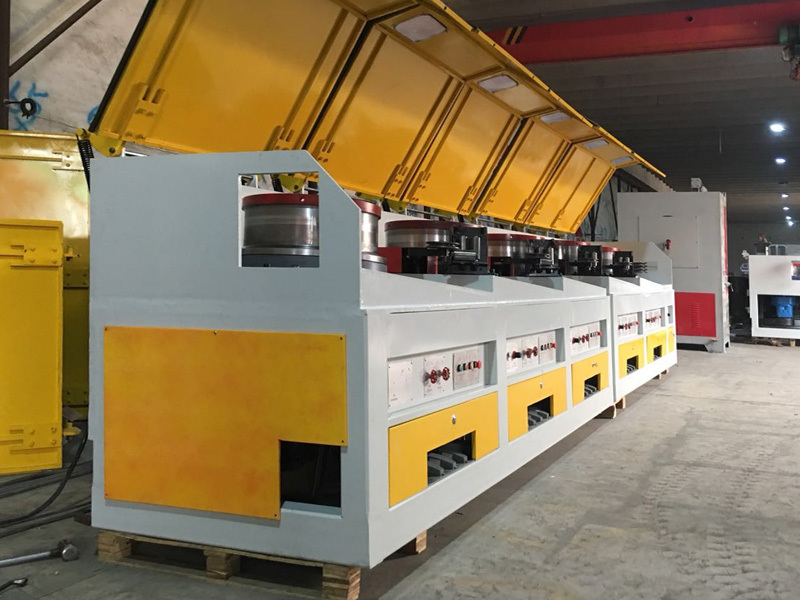
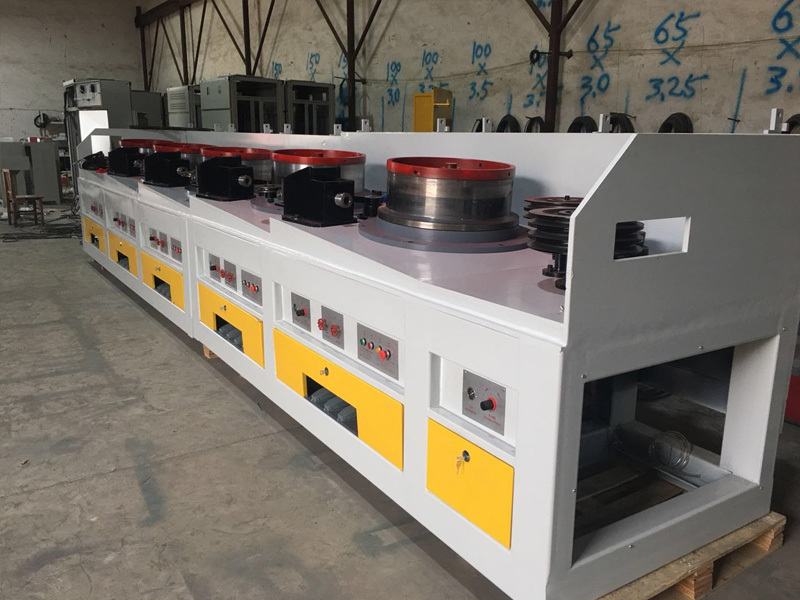
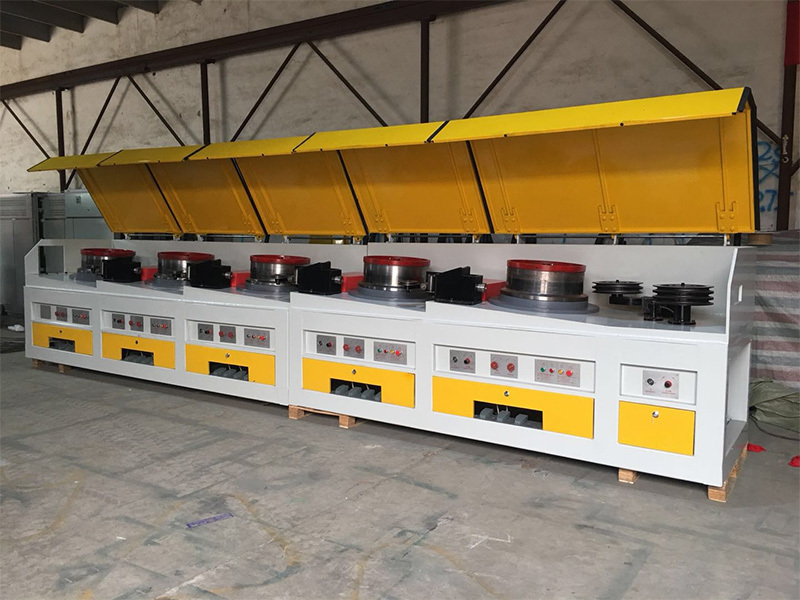
Layer winding machines play a pivotal role in the fascinating world of manufacturing and processing machinery. These advanced devices are designed to wind various materials, such as wires, tapes, and filaments, in a precise and efficient manner. Let's delve into the depths of this technology, exploring its functionalities and advantages.
Layer winding machines play a pivotal role in the fascinating world of manufacturing and processing machinery. These advanced devices are designed to wind various materials, such as wires, tapes, and filaments, in a precise and efficient manner. Let's delve into the depths of this technology, exploring its functionalities and advantages.
Functionality:
Layer winding machines are engineered to ensure accurate and consistent winding of materials onto spools, bobbins, or reels. By employing a layering technique, these machines create a well-organized and evenly distributed winding pattern. This process not only enhances the stability and strength of the wound material but also optimizes storage and transportation requirements.
Applications:
The versatility of layer winding machines makes them indispensable in various industries. They find extensive usage in the production of electrical wires and cables, optical fibers, carbon fibers, magnetic wires, and more. These machines also play a vital role in the manufacturing of coils, transformers, inductors, and other components used in the electronics and automotive sectors.
Benefits:
1. Precision and Efficiency: Layer winding machines ensure precise and accurate winding, minimizing errors and material wastage. Their automated features streamline the winding process, resulting in increased productivity and reduced labor costs.
2. Consistency: With their ability to maintain uniform winding tension and layer thickness, layer winding machines offer consistent results. This uniformity enhances the overall quality of the wound materials, contributing to the reliability and performance of the end products.
3. Space Optimization: Layer winding machines utilize advanced techniques to create compact and tightly wound spools. This efficient use of space reduces storage requirements and facilitates convenient transportation, ultimately leading to cost savings.
4. Customization: These machines are equipped with adjustable parameters, allowing manufacturers to cater to specific requirements. Different winding patterns, tension levels, and layer thicknesses can be easily achieved, ensuring flexibility and customization options.
5. Time-Saving: Layer winding machines enable high-speed winding, significantly reducing production time. This time-saving advantage empowers manufacturers to meet tight deadlines and efficiently handle large-scale production demands.
In conclusion, layer winding machines are a vital asset in the manufacturing and processing machinery industry. Their precision, consistency, space optimization, customization capabilities, and time-saving benefits make them an indispensable tool for various applications. By harnessing the power of layer winding machines, manufacturers can enhance their production processes and deliver high-quality products to meet the ever-evolving market demands.
Key words:


☎️Phone
* Please Enter Keywords
The company specializes in the development and manufacture of a complete set of welding wire production lines and a complete set of metal wire drawing machines 📮 info@cnwiremachine.com