
 Esperanto
 Shqiptare
 Euskara
 Zulu
Zulu
 Latinus
 Cymraeg
 தமிழ்
தமிழ்
 Slovak
 Slovak
 Afrikaans
News Hotspot
Contact Info
Hotline: +86-18831168296
E-mail: Info@cnwiremachine.com
Add: Gaoqian West Street, Sijiazhuang Town, Luquan District, Shijiazhuang City, Hebei Province
Exploring the Benefits of Pulley Drawing Machines in the Manufacturing Industry
Release Time:
Oct 13,2023
In the ever-evolving manufacturing industry, the constant pursuit of efficiency, cost savings, and quality improvement is crucial for success. One technology that has significantly contributed to these objectives is the pulley drawing machine. This article explores the benefits of pulley drawing machines and their applications in various manufacturing processes.
In the ever-evolving manufacturing industry, the constant pursuit of efficiency, cost savings, and quality improvement is crucial for success. One technology that has significantly contributed to these objectives is the pulley drawing machine. This article explores the benefits of pulley drawing machines and their applications in various manufacturing processes. Read on to discover how these machines can revolutionize your production line.
Understanding Pulley Drawing Machines:
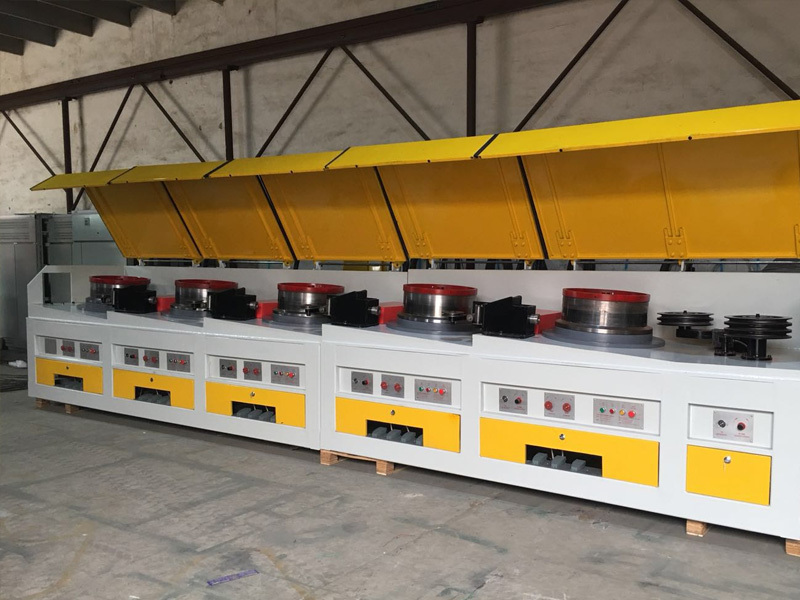
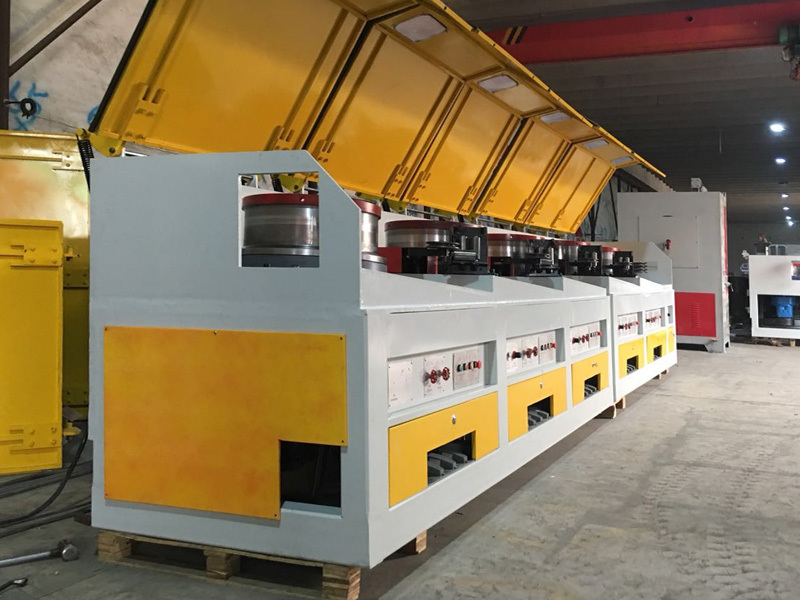
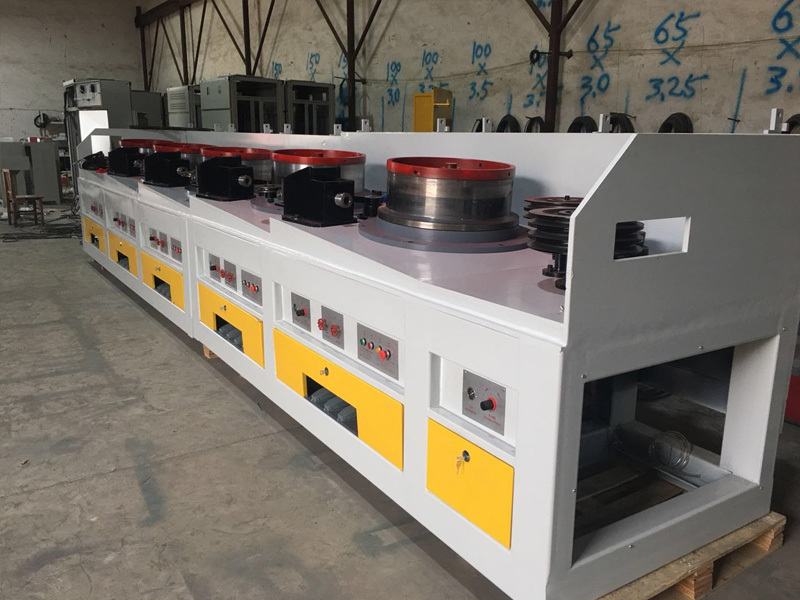
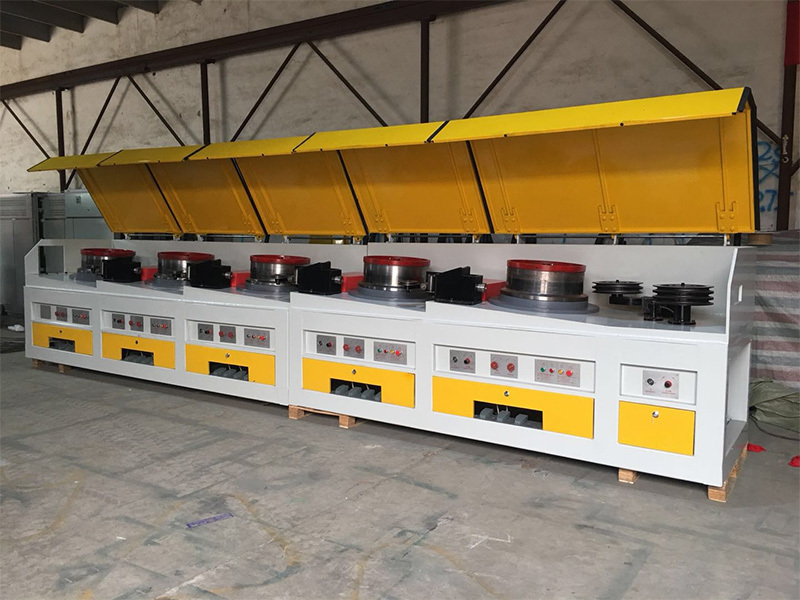
Pulley drawing machines, also known as wire drawing machines, are specialized equipment used to reduce the diameter of wire, cable, tube, or rod by pulling them through a series of dies. The machine comprises multiple pulleys and dies arranged in a sequential manner, wherein the material is pulled through each die to achieve the desired diameter reduction. This process enhances the material's properties and enables the production of wires, cables, tubes, or rods with precise dimensions.
Benefits of Pulley Drawing Machines:
1. Increased Efficiency and Productivity:
By utilizing pulley drawing machines, manufacturers can significantly boost their efficiency and productivity. The machines automate the drawing process, eliminating the need for manual labor and reducing human error. This automation allows for higher production speeds and consistent quality output, leading to increased overall efficiency.
2. Cost Savings:
Implementing pulley drawing machines in manufacturing processes can result in substantial cost savings. The automation and precision offered by these machines minimize material waste, as the diameter reduction is controlled, resulting in the optimal use of raw materials. Additionally, the reduced need for manual labor decreases labor costs and potential errors, further contributing to cost savings.
3. Improved Quality:
Pulley drawing machines play a vital role in enhancing the quality of manufactured products. The controlled drawing process ensures uniform dimensions and smooth surfaces, reducing defects and improving the final product's performance. The precise control over wire or cable diameter also allows for tighter tolerances, making the products more reliable and suitable for a wide range of applications.
4. Enhanced Safety:
Safety is a paramount concern in any manufacturing environment. Pulley drawing machines are designed with safety features to protect operators and prevent accidents. These features include emergency stop buttons, interlocks, and robust guarding systems. By incorporating pulley drawing machines into the production line, manufacturers can create a safer working environment for their employees.
Applications of Pulley Drawing Machines:
1. Wire Drawing:
Pulley drawing machines are commonly used for wire drawing processes across various industries, including automotive, electrical, and construction. The machines can transform raw materials such as copper, steel, and aluminum into wires of different diameters, suitable for applications ranging from electrical wiring to fencing.
2. Cable Manufacturing:
The cable manufacturing industry heavily relies on pulley drawing machines to produce high-quality cables. By precisely reducing the diameter of conductors, these machines enable the creation of cables suitable for transmission of electricity, data, and telecommunications signals.
3. Tube Drawing:
Pulley drawing machines are also utilized in tube drawing processes, which involve reducing the diameter and wall thickness of tubes. This allows manufacturers to produce tubes with precise dimensions, ensuring optimal performance in applications such as plumbing, automotive parts, and structural components.
4. Rod Drawing:
Manufacturers in industries such as aerospace and automotive often utilize pulley drawing machines for rod drawing applications. These machines help in producing rods with consistent dimensions and excellent surface finish, critical for components like fasteners, shafts, and bolts.
Factors to Consider before Investing in Pulley Drawing Machines:
Before investing in pulley drawing machines, there are several factors that manufacturers should consider:
1. Machine Size and Capacity:
Evaluate the required machine size and capacity based on the intended application and production volume. Ensure that the chosen machine can accommodate the desired raw material size and deliver the required output.
2. Customization Options:
Check if the machine can be customized to meet specific requirements, such as diameter reduction ratios, die configurations, and additional features. Customization options allow for greater flexibility and efficiency in the manufacturing process.
3. Maintenance and Support:
Consider the maintenance requirements of the pulley drawing machine and the availability of technical support. Regular maintenance is essential to ensure optimal machine performance and longevity.
4. Cost:
Analyze the overall cost of the machine, including initial investment, operational costs, and potential return on investment. Compare different options available in the market to make an informed decision.
Frequently Asked Questions (FAQs):
1. What is the purpose of a pulley drawing machine?
A pulley drawing machine is used to reduce the diameter of wire, cable, tube, or rod by pulling the material through a series of dies. It improves the material's properties and allows for the production of wires, cables, tubes, or rods with precise dimensions.
2. Can a pulley drawing machine be used for different materials?
Yes, pulley drawing machines can be used for various materials such as copper, steel, aluminum, and more. The machine can be adjusted to accommodate different material types and sizes.
3. How does a pulley drawing machine improve efficiency?
Pulley drawing machines automate the drawing process, eliminating the need for manual labor and reducing human error. The automation allows for higher production speeds, consistent quality output, and increased overall efficiency.
4. Are pulley drawing machines safe to operate?
Yes, pulley drawing machines are designed with safety features to protect operators and prevent accidents. These features include emergency stop buttons, interlocks, and robust guarding systems.
5. What are the maintenance requirements for pulley drawing machines?
Regular maintenance is crucial for optimal performance and longevity of pulley drawing machines. This includes cleaning, lubrication, inspection of components, and timely replacement of worn-out parts.
Conclusion:
Pulley drawing machines offer numerous benefits to the manufacturing industry, including increased efficiency, cost savings, improved quality, and enhanced safety. Their applications range from wire drawing to tube and rod drawing, catering to diverse industries such as automotive, electrical, construction, and aerospace. By considering factors like machine size, customization options, maintenance requirements, and cost, manufacturers can make informed decisions when investing in pulley drawing machines. Embracing these advanced technologies can propel manufacturing processes to new heights, ensuring competitiveness and success in today's dynamic market.
Key words:


☎️Phone
* Please Enter Keywords
The company specializes in the development and manufacture of a complete set of welding wire production lines and a complete set of metal wire drawing machines 📮 info@cnwiremachine.com