
 Esperanto
 Shqiptare
 Euskara
 Zulu
Zulu
 Latinus
 Cymraeg
 தமிழ்
தமிழ்
 Slovak
 Slovak
 Afrikaans
News Hotspot
Contact Info
Hotline: +86-18831168296
E-mail: Info@cnwiremachine.com
Add: Gaoqian West Street, Sijiazhuang Town, Luquan District, Shijiazhuang City, Hebei Province
Enhance Productivity: The Role of Water Tank Drawing Machines in Factories
Release Time:
Nov 06,2023
In today's fast-paced manufacturing industry, maximizing productivity and efficiency is crucial for businesses to stay competitive. One innovative solution that has revolutionized factory operations is the water tank drawing machine. With its advanced technology and versatile capabilities, this machine has become an indispensable asset for factories worldwide. This article explores how water tank drawing machines enhance productivity and their role in factories.
In today's fast-paced manufacturing industry, maximizing productivity and efficiency is crucial for businesses to stay competitive. One innovative solution that has revolutionized factory operations is the water tank drawing machine. With its advanced technology and versatile capabilities, this machine has become an indispensable asset for factories worldwide. This article explores how water tank drawing machines enhance productivity and their role in factories.
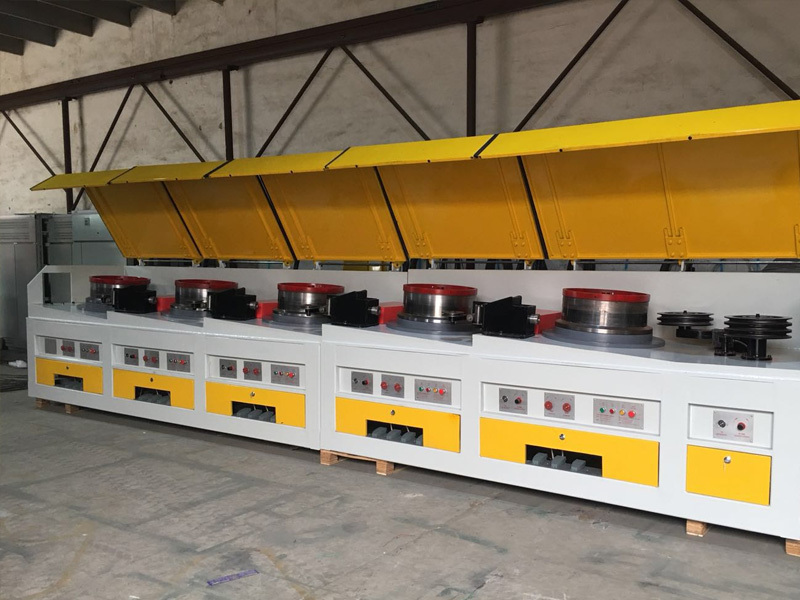
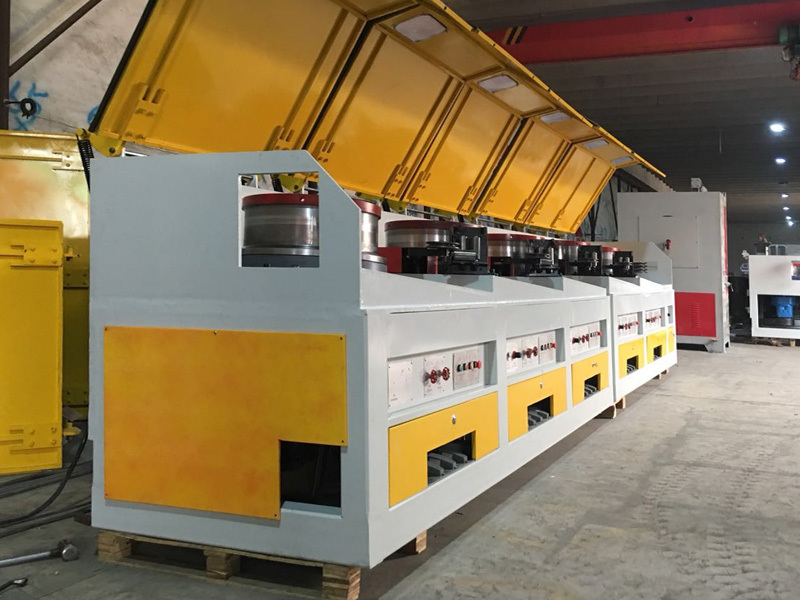
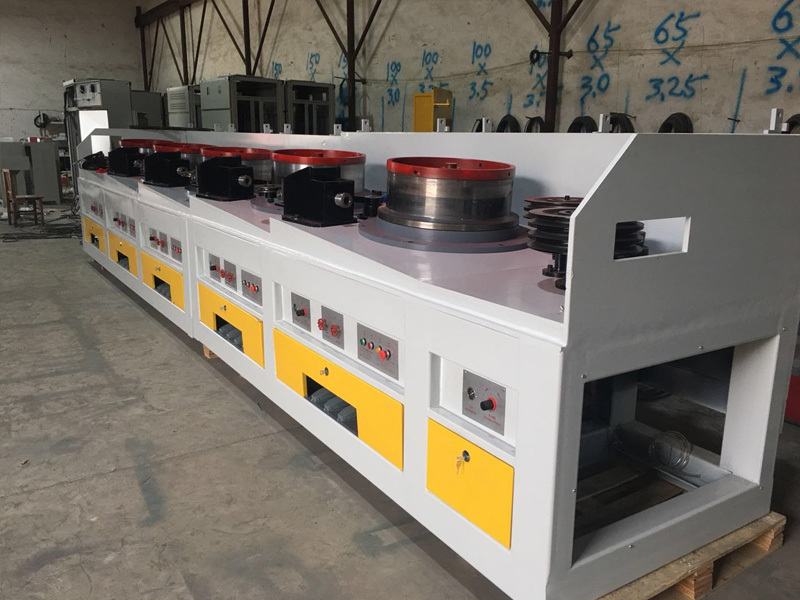
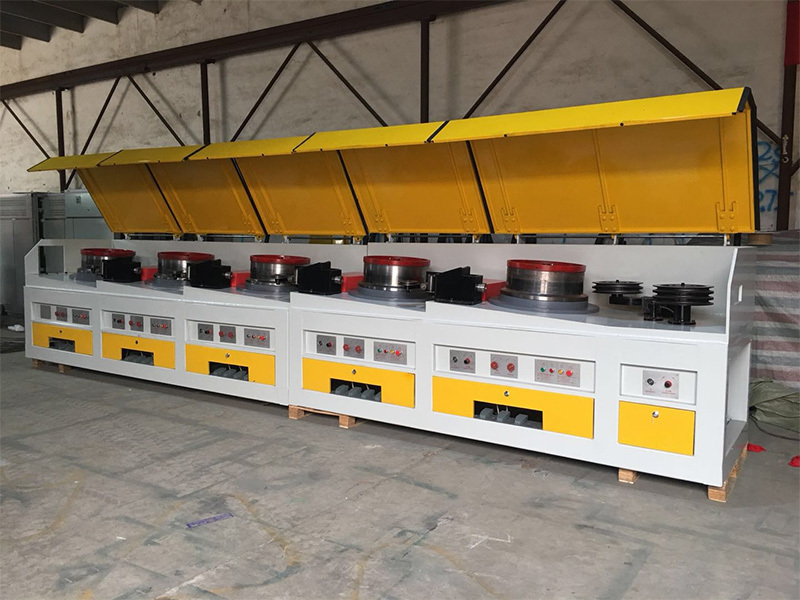
Water tank drawing machines, also known as wire drawing machines, are utilized in various industries to transform raw materials into desired shapes and sizes. These machines are primarily used in metalworking processes, such as steel wire production, by pulling metal wires through a series of dies to reduce their diameter and increase their length. The drawing process ensures that the final product meets specific dimensional requirements and possesses the desired mechanical properties.
Water tank drawing machines significantly enhance productivity in factories by enabling faster and more efficient wire production. The automated nature of these machines allows for continuous operation, reducing downtime between wire batches. Additionally, the precise control mechanisms ensure consistent wire quality, minimizing the need for rework or scrap.
With their ability to process various materials and diameters, water tank drawing machines offer flexibility and efficiency in production. By achieving a higher drawing ratio, these machines can produce longer wires with minimal material wastage. This efficiency translates into cost savings and increased profitability for factories.
Water tank drawing machines ensure that the final wire products meet stringent quality requirements. The controlled drawing process reduces surface imperfections, enhances mechanical properties, and improves the overall surface finish. The consistent diameter and length of the wires contribute to better performance and reliability in various applications.
Water tank drawing machines find applications in a wide range of industries, including automotive, construction, electrical, and more. Some common applications include:
Water tank drawing machines play a crucial role in wire manufacturing processes. With their ability to draw wires of different materials, such as steel, copper, and aluminum, factories can produce wires for various applications, including electrical wiring, fencing, cables, and more.
These machines are also widely used in the production of fasteners, such as screws, bolts, and nails. The drawing process ensures the consistency and accuracy of the fastener's diameter, allowing for reliable and secure connections in various assemblies.
Water tank drawing machines are instrumental in the production of reinforcement bars used in the construction industry. By drawing steel wires through dies, factories can create reinforcement bars of specific diameters and lengths, ensuring structural integrity in buildings and other concrete structures.
Springs used in various applications, such as automotive suspensions, furniture, and machinery, rely on the precise dimensions achieved through water tank drawing machines. The controlled drawing process ensures consistent spring performance and durability.
Water tank drawing machines have revolutionized factory operations by enhancing productivity, improving efficiency, and delivering high-quality wire products. With their advanced features and various applications, these machines play a vital role in the manufacturing industry. By understanding the benefits and selecting the right machine for their specific needs, factories can achieve significant advantages and stay ahead in the competitive market.
Key words:


☎️Phone
* Please Enter Keywords
The company specializes in the development and manufacture of a complete set of welding wire production lines and a complete set of metal wire drawing machines 📮 info@cnwiremachine.com