
 Esperanto
 Shqiptare
 Euskara
 Zulu
Zulu
 Latinus
 Cymraeg
 தமிழ்
தமிழ்
 Slovak
 Slovak
 Afrikaans
News Hotspot
Contact Info
Hotline: +86-18831168296
E-mail: Info@cnwiremachine.com
Add: Gaoqian West Street, Sijiazhuang Town, Luquan District, Shijiazhuang City, Hebei Province
Understanding Layer Winding Machines: An Essential Guide
Release Time:
Nov 22,2023
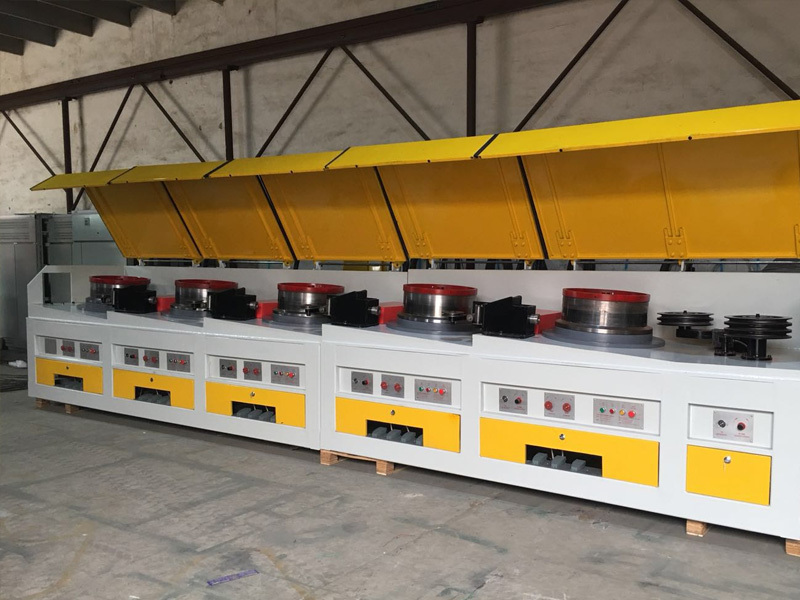
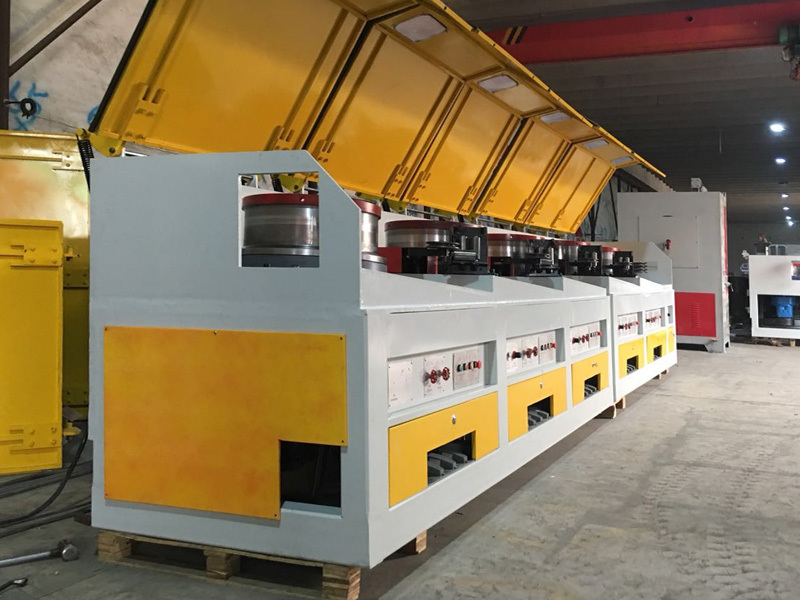
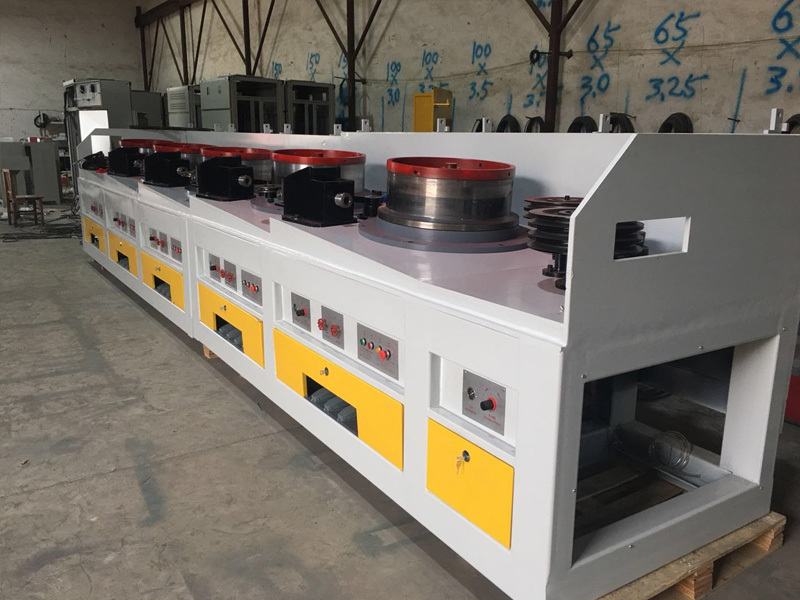
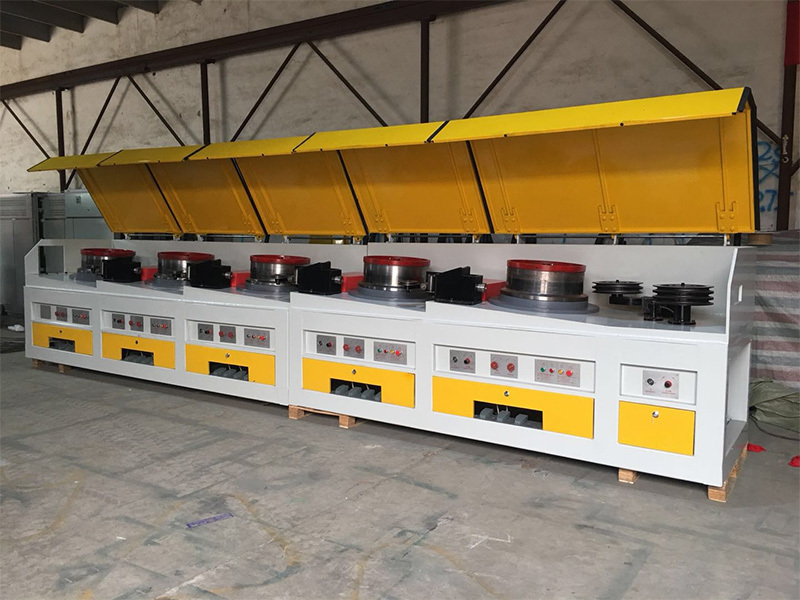
Layer winding machines play a significant role in the manufacturing and processing machinery industry, particularly in the production of various components and products. This comprehensive guide aims to provide valuable information and technical knowledge about layer winding machines, ensuring a better understanding of their functionalities and benefits. 1. Introduction to Layer Winding Machines:
Layer winding machines play a significant role in the manufacturing and processing machinery industry, particularly in the production of various components and products. This comprehensive guide aims to provide valuable information and technical knowledge about layer winding machines, ensuring a better understanding of their functionalities and benefits.
1. Introduction to Layer Winding Machines:
Layer winding machines are specialized equipment used to wind materials, such as wires, tapes, or strips, onto spools or reels. The winding process involves creating layers of material in a precise and controlled manner. These machines find extensive applications in industries like electrical, electronics, automotive, and telecommunications.
2. Working Principle:
Layer winding machines utilize a rotating spindle, tensioning system, and guiding mechanisms to ensure uniform and tightly wound layers. The material is fed through a tensioning system that maintains the required tension during the winding process. Guiding mechanisms assist in proper alignment and positioning of the material onto the spool or reel.
3. Benefits and Advantages:
- Accurate Layer Formation: Layer winding machines ensure consistent layer thickness and alignment, resulting in precise and uniform wound products.
- Enhanced Efficiency: These machines automate the winding process, reducing labor-intensive tasks and increasing production efficiency.
- Improved Quality Control: Layer winding machines enable better control over tension, speed, and layer formation, leading to higher-quality end products.
- Versatility: They can handle a wide range of materials, including wires, tapes, fibers, and more, making them adaptable to different industry requirements.
4. Applications:
Layer winding machines are extensively used in various industries, including:
- Electrical and Electronics: Winding of coils, transformers, inductors, and magnetic components.
- Automotive: Production of ignition coils, sensors, and motor winding.
- Telecommunications: Manufacturing of fiber optic cables and telecommunication wires.
- Energy Sector: Winding of wind turbine generators and power distribution transformers.
5. Considerations for Selection:
When choosing a layer winding machine, factors such as material type, required winding precision, production volume, and customization options should be considered. It is crucial to select a machine that aligns with specific industry needs to achieve optimal performance.
In conclusion, layer winding machines are integral to the manufacturing and processing machinery industry, providing precise and efficient winding solutions. Understanding their working principles, benefits, and applications can help professionals make informed decisions when it comes to selecting the right equipment for their specific requirements.
Key words:


☎️Phone
* Please Enter Keywords
The company specializes in the development and manufacture of a complete set of welding wire production lines and a complete set of metal wire drawing machines 📮 info@cnwiremachine.com