
 Esperanto
 Shqiptare
 Euskara
 Zulu
Zulu
 Latinus
 Cymraeg
 தமிழ்
தமிழ்
 Slovak
 Slovak
 Afrikaans
News Hotspot
Contact Info
Hotline: +86-18831168296
E-mail: Info@cnwiremachine.com
Add: Gaoqian West Street, Sijiazhuang Town, Luquan District, Shijiazhuang City, Hebei Province
Understanding the Components of Horizontal Type Wire Drawing Machines: A Comprehensive Guide
Release Time:
Nov 02,2024
1. Introduction to Horizontal Type Wire Drawing Machines Horizontal type wire drawing machines play a pivotal role in the manufacturing of metal wires. These machines efficiently reduce the diameter of wire rods through a process known as drawing. By understanding the components and mechanics of these machines, operators can enhance productivity, reduce downtime, and improve product quality.
1. Introduction to Horizontal Type Wire Drawing Machines
Horizontal type wire drawing machines play a pivotal role in the manufacturing of metal wires. These machines efficiently reduce the diameter of wire rods through a process known as drawing. By understanding the components and mechanics of these machines, operators can enhance productivity, reduce downtime, and improve product quality.
2. What is Horizontal Wire Drawing?
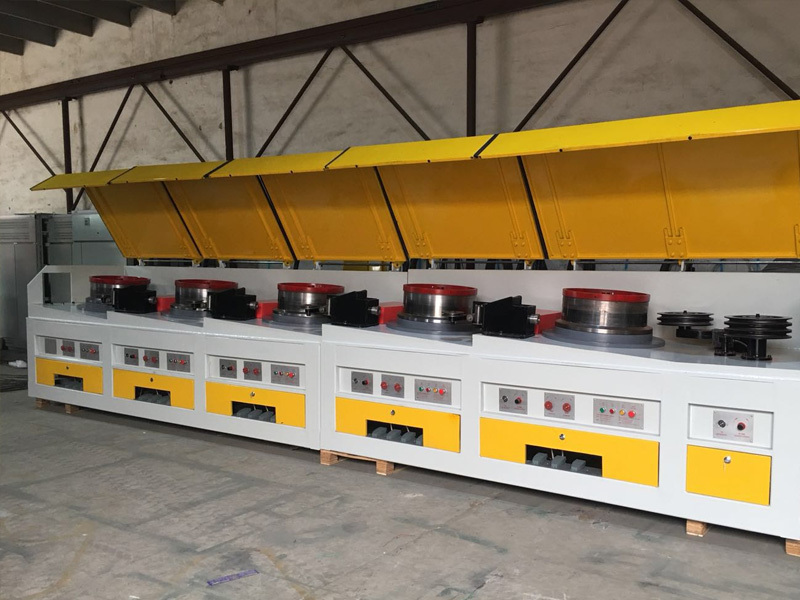
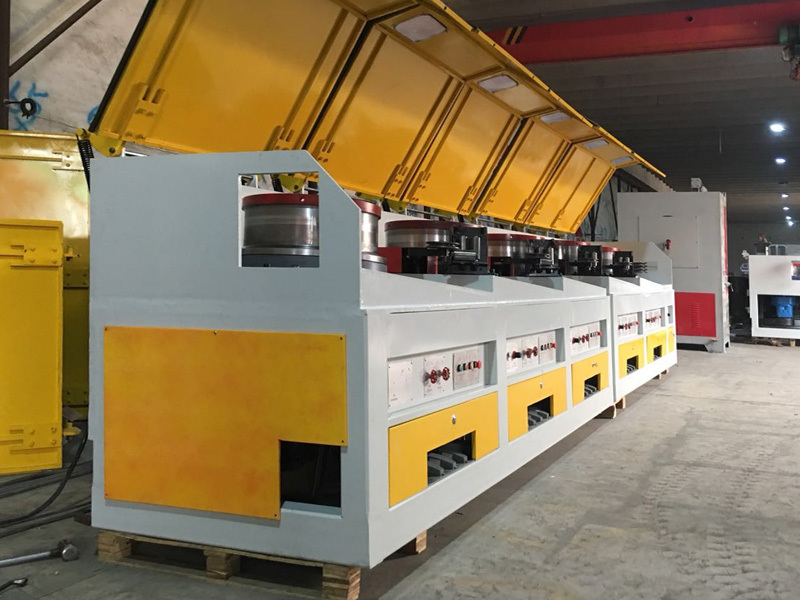
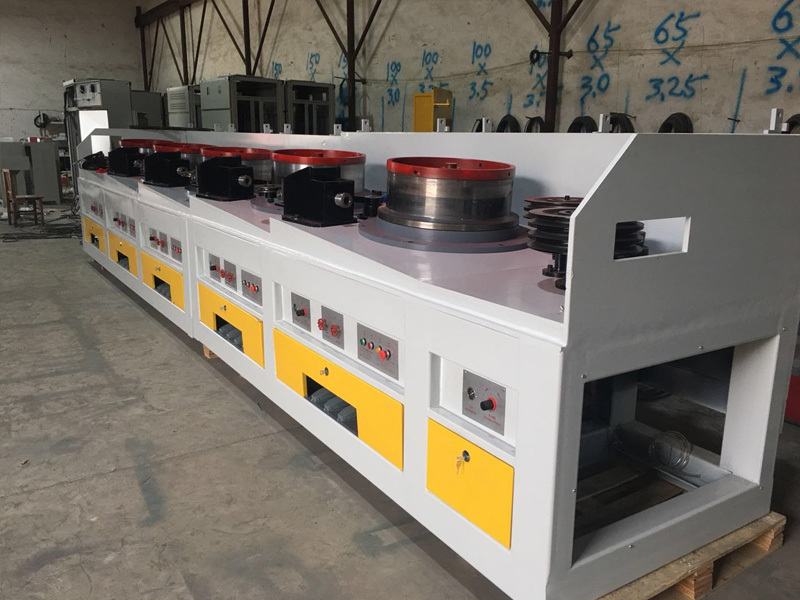
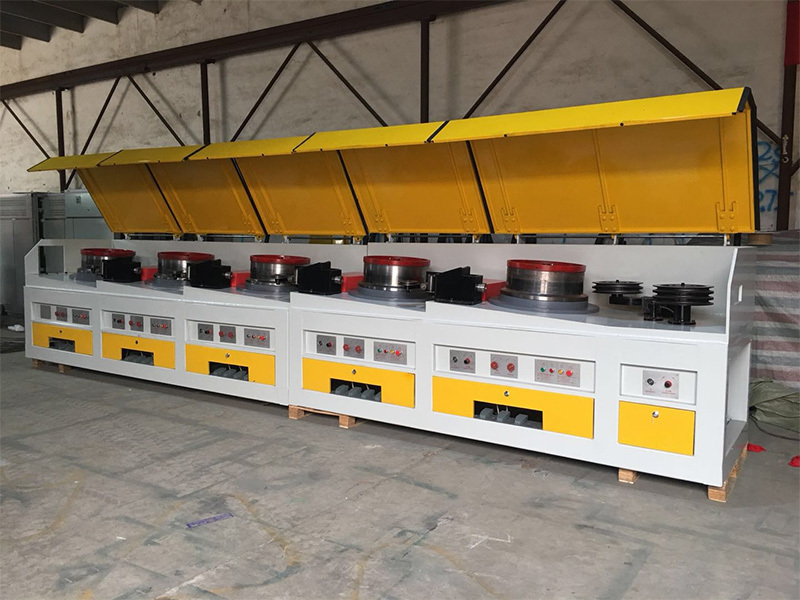
Horizontal wire drawing is a method that involves pulling a metal wire through a series of dies to decrease its diameter. This process is essential in various industries such as construction, automotive, and electronics. The horizontal design of these machines allows for better handling and efficiency, particularly when working with longer lengths of wire.
3. Key Components of Horizontal Type Wire Drawing Machines
Understanding the components of horizontal type wire drawing machines is crucial for operators and maintenance personnel. Below are the main components that contribute to the functionality of these machines.
3.1 The Drawing Die
The drawing die is a critical component that shapes the wire as it passes through. It is made from high-strength materials to withstand the intense pressure and friction during the drawing process. Different shapes and sizes of dies can produce various wire specifications, making it essential to select the appropriate die for the desired wire characteristics.
3.2 Caterpillar Roller
The caterpillar roller, also known as the traction roller, plays a significant role in feeding the wire into the die. It grips the wire securely while it is being drawn, ensuring consistent speed and tension. Proper adjustment and alignment of the caterpillar roller are vital for minimizing wear on the wire and machine components.
3.3 Pay-Off Drum
The pay-off drum serves as the initial point where the wire coil is unwound. It holds the raw wire materials and releases them at a controlled rate to maintain a steady flow into the drawing section. The design of the pay-off drum must accommodate various wire sizes and weights to ensure efficiency.
3.4 Take-Up Drum
Conversely, the take-up drum collects the finished wire after it has been drawn. It winds the wire onto spools, ready for the next stage of processing or shipment. The configuration of the take-up drum can influence the final product's quality and straightness, making its design crucial.
3.5 Motor and Control System
The motor and control system are the heart of horizontal wire drawing machines. They provide the necessary power to drive the drawing process and ensure precise control over speed and tension. Modern machines often feature advanced technology, including programmable logic controllers (PLCs) and touch-screen interfaces, enhancing usability and efficiency.
4. Ensuring Operational Efficiency in Wire Drawing Machines
To maximize productivity and ensure the longevity of horizontal wire drawing machines, operators should focus on several key practices:
- **Regular Training**: Equip operators with necessary training on machine handling and safety protocols.
- **Monitoring Performance**: Implement real-time monitoring systems to track machine performance and identify potential issues before they escalate.
- **Quality Checks**: Implement strict quality control measures to ensure that the output wire meets industry standards.
5. Maintenance Tips for Horizontal Wire Drawing Machines
Routine maintenance is essential for keeping horizontal wire drawing machines in optimal condition. Here are some best practices:
- **Lubrication**: Regularly lubricate moving parts to minimize friction and wear.
- **Inspection**: Conduct frequent inspections of the drawing die, rollers, and electrical components for signs of wear or damage.
- **Cleaning**: Keep the machine clean to prevent the accumulation of debris, which can affect performance.
- **Calibration**: Regularly calibrate the machine's settings to ensure consistent output quality.
6. Troubleshooting Common Issues with Wire Drawing Machines
Even with proper maintenance, issues may arise. Here are some common problems and their solutions:
- **Wire Breakage**: This can occur due to excessive tension or a worn-out drawing die. Check tension settings and replace dies as necessary.
- **Inconsistent Diameter**: If the wire diameter varies, inspect the drawing die for damage or misalignment.
- **Motor Overheating**: Overheating may indicate an overload condition or insufficient lubrication. Ensure correct load settings and check lubrication levels.
7. Future Trends in Wire Drawing Technology
The wire drawing industry is continually evolving. Here are some trends to watch for:
- **Automation**: More manufacturers will adopt automated systems to enhance efficiency and reduce labor costs.
- **Smart Technology**: Integration of IoT devices will enable predictive maintenance, allowing for real-time monitoring and data analysis.
- **Sustainability**: A growing focus on eco-friendly practices will lead to innovations in energy-efficient machinery and recycling of waste materials.
8. Frequently Asked Questions (FAQs)
1. What is the primary function of a wire drawing machine?
The primary function of a wire drawing machine is to reduce the diameter of metal wire by pulling it through a series of dies.
2. How often should I maintain my wire drawing machine?
Routine maintenance should be conducted regularly, typically every few weeks, depending on the machine's usage and operating conditions.
3. What materials are commonly used for wire drawing dies?
Drawing dies are often made from high-strength materials such as carbide or hardened steel to withstand wear and tear.
4. Can I use a horizontal wire drawing machine for different wire sizes?
Yes, horizontal wire drawing machines can be adjusted to accommodate various wire sizes, provided the appropriate dies and settings are used.
5. What are the signs of a malfunctioning wire drawing machine?
Common signs include wire breakage, inconsistent diameter, unusual noises, or overheating of the motor.
Conclusion
Understanding the components and functionality of horizontal type wire drawing machines is essential for anyone involved in the metal processing industry. By familiarizing ourselves with the key parts such as the drawing die, caterpillar roller, and control systems, we can enhance operational efficiency and product quality. Emphasizing regular maintenance and staying informed about emerging technologies will further ensure the longevity and productivity of these machines. As we move forward, embracing smart technology and sustainable practices will be crucial in shaping the future of wire drawing.
Key words:


☎️Phone
* Please Enter Keywords
The company specializes in the development and manufacture of a complete set of welding wire production lines and a complete set of metal wire drawing machines 📮 info@cnwiremachine.com