
 Esperanto
 Shqiptare
 Euskara
 Zulu
Zulu
 Latinus
 Cymraeg
 தமிழ்
தமிழ்
 Slovak
 Slovak
 Afrikaans
News Hotspot
Contact Info
Hotline: +86-18831168296
E-mail: Info@cnwiremachine.com
Add: Gaoqian West Street, Sijiazhuang Town, Luquan District, Shijiazhuang City, Hebei Province
Streamlined Precision: Comprehensive Overview of Wire Straightener and Cutter
Release Time:
Aug 18,2025
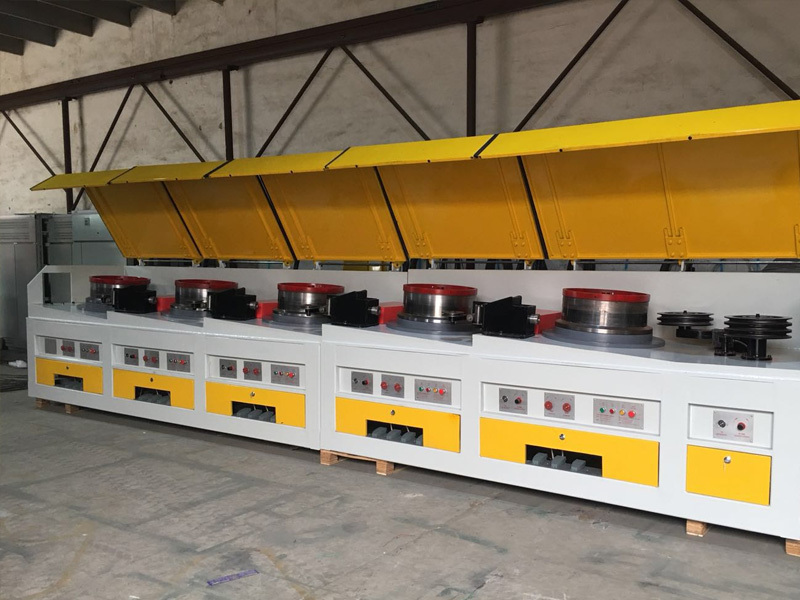
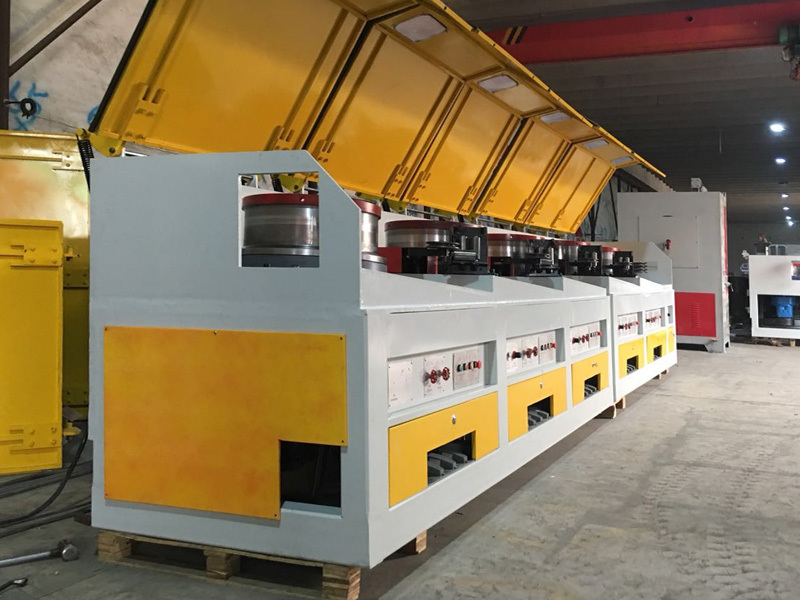
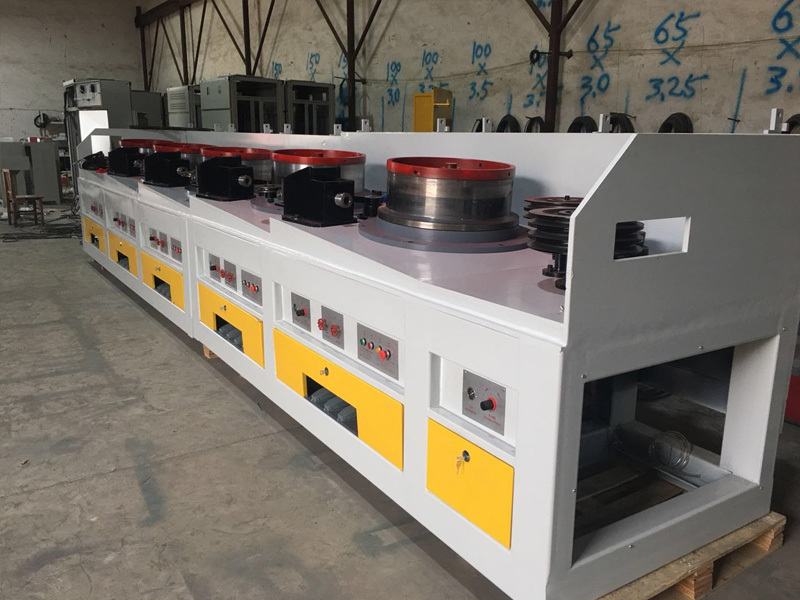
Wire straighteners and cutters are essential tools in modern industrial manufacturing, combining precision engineering with robust mechanical performance to prepare wire materials for further processing. These machines are designed to straighten coiled or bent wire and cut it to specific lengths, ensuring uniformity, accuracy, and efficiency in production lines. They are widely employed across industries such as construction, automotive, electronics, metal fabrication, and aerospace, where precise wire handling is critical for product quality and operational efficiency.
At the core of a wire straightener and cutter is a coordinated system of rollers, blades, and drive mechanisms. The straightening unit typically consists of a series of hardened steel rollers arranged in a specific configuration to progressively straighten wire of various diameters and materials. These rollers work by applying controlled pressure and bending forces to the wire, gradually eliminating curvature or coil memory from the raw material. High-quality machines often include adjustable roller spacing and angles, enabling them to accommodate wires of different thicknesses and achieve precise straightening without damaging the wire surface.
The cutting mechanism works in tandem with the straightener, ensuring that the wire is not only straightened but also cut to the exact required length. Precision blades, often made from high-carbon or alloy steel, are integrated into the machine and driven either mechanically or hydraulically. These blades are engineered to deliver clean, burr-free cuts, which is essential for subsequent manufacturing steps like welding, bending, or assembly. Some advanced models also feature programmable length settings and automatic feed systems, allowing for high-volume production with minimal human intervention.
Wire straighteners and cutters are designed for versatility and adaptability. They can handle a wide range of wire types, including steel, stainless steel, aluminum, copper, and other specialty alloys. Machines vary from compact tabletop units for small-scale or workshop use to large industrial systems capable of processing heavy-gauge wire for large-scale manufacturing. Some integrated systems even combine straightening, cutting, and feeding functions into a single automated production line, further enhancing efficiency and reducing labor costs.
Operational safety and reliability are major considerations in these machines. Safety guards, emergency stop mechanisms, and overload protection features are standard to protect operators from moving parts and prevent machine damage. Maintenance is relatively straightforward, typically involving lubrication of rollers and cutting blades, periodic inspection for wear, and timely replacement of consumable components. Modern machines also prioritize energy efficiency, using optimized motors, low-friction components, and intelligent control systems to reduce power consumption and operational costs.
Technological advancements have further enhanced the capabilities of wire straighteners and cutters. Many machines now incorporate digital controls, touch-screen interfaces, and programmable logic controllers (PLCs) to allow operators to store multiple settings for different wire specifications, ensuring repeatability and reducing setup time. High-speed sensors can detect wire alignment, feed rate, and cutting accuracy in real time, automatically adjusting machine parameters to maintain consistent output quality. These innovations make wire straighteners and cutters not only precise and efficient but also highly adaptable to modern manufacturing demands.
In addition to industrial performance, environmental considerations have become increasingly important. Modern wire straightener and cutter systems are designed to minimize waste, reduce noise and vibration, and operate with eco-friendly lubricants. The design focus is on sustainability, durability, and reliability, ensuring that the machines deliver long-term performance while aligning with green manufacturing standards.
In conclusion, wire straighteners and cutters are indispensable in the production and preparation of wire materials for a wide range of applications. By combining mechanical robustness, precision engineering, and advanced control technology, they provide consistent, accurate, and efficient wire straightening and cutting. Their versatility, reliability, and adaptability make them essential assets in industrial operations, streamlining production, improving product quality, and reducing labor and operational costs.
Key words:


☎️Phone
* Please Enter Keywords
The company specializes in the development and manufacture of a complete set of welding wire production lines and a complete set of metal wire drawing machines 📮 info@cnwiremachine.com